

Back Pain Treatment In Hoffman Estates, IL
Back pain that limits how you sit, stand, move, or sleep is one of the most common reasons patients come to us. We identify what is driving the problem before any care begins, then build a plan around fixing it.
Content Reviewed By: Dr. Cameron Clark, D.C. on October 14, 2026
Illinois State Chiropractic License Number: 038-011121 (NPI: 1083891477)
Back Pain Treatment At A Glance
Back pain is one of the most common reasons patients seek care in Hoffman Estates and across the broader Northwest Chicago suburbs. Whether it develops from a sudden lifting injury, hours of sitting at a desk, athletic overuse, or years of accumulated postural stress, back pain can significantly limit movement, disrupt sleep, and interfere with the activities that matter to you.
At Advanced Physical Medicine and Rehab, our approach to back pain starts with an accurate diagnosis of what is actually driving the problem. Chiropractic care, spinal decompression, laser therapy, shockwave therapy, and functional rehabilitation work together to reduce pain, restore spinal mechanics, and build the strength needed to support long-term recovery rather than temporary relief.

What Is Back Pain?
Back pain refers to any discomfort or dysfunction involving the muscles, joints, discs, ligaments, or nerves of the spine. It is most frequently classified by location: lower back pain involves the lumbar spine, mid-back pain involves the thoracic spine, and upper back pain overlaps with the cervical and upper thoracic region. Lower back pain is by far the most common presentation.
The lumbar spine bears the greatest share of the body’s mechanical load and is the most mobile portion of the spine that also supports weight-bearing. It consists of five vertebrae, intervertebral discs that act as shock absorbers between them, facet joints that guide movement, and a network of muscles, tendons, and ligaments that stabilize the entire structure.
When any of these components is irritated, injured, or degenerated, pain and movement restriction follow. Disc involvement can compress nearby nerve roots and produce symptoms that radiate into the leg. Joint dysfunction produces local stiffness and pain that worsens with movement and eases briefly with rest.

Common Symptoms Of Back Pain
Back pain presentations vary widely depending on which structures are involved and how long the problem has been developing.
The most commonly reported symptoms include localized pain in the lower or mid back, muscle tightness and spasm, and stiffness that is worst in the morning or after sitting for extended periods. Sharp, stabbing pain with certain movements, such as bending forward, twisting, or lifting, is typical when a specific joint or disc structure is irritated.
Nerve-related symptoms develop when inflammation or disc changes place pressure on spinal nerve roots. Patients with nerve involvement often report tingling, burning, or numbness that radiates into the hip, buttock, or leg. When the sciatic nerve is affected, pain can travel all the way to the foot.
Daily function is frequently limited. Patients commonly describe difficulty sitting through meetings or car rides, disrupted sleep from pain that worsens with position changes, reduced ability to exercise, and frustration with routine tasks like carrying groceries, tying shoes, or picking up children. These functional impacts are typically the reason patients seek care.
What Causes Back Pain?
Back pain most often develops when mechanical stress on spinal structures accumulates beyond what the surrounding musculature and connective tissue can absorb and repair.
Disc injury is one of the most common causes. A herniated or bulging disc can compress adjacent nerve roots and produce both local and radiating pain. Acute disc events often occur during lifting with poor mechanics, but many develop gradually from years of postural stress and repetitive loading.
Facet joint dysfunction involves irritation or loss of normal movement in the small joints that connect adjacent vertebrae. It produces localized back pain that worsens with extension and rotation and is a common underlying source of chronic stiffness.
Muscle imbalance and weakness contribute significantly in both acute and persistent back pain. When the core and spinal stabilizers cannot adequately support the lumbar spine through daily movement, specific structures are repeatedly overloaded.
Prolonged sitting is a major contributor for office workers and commuters. Sitting places sustained pressure on lumbar discs and progressively tightens the hip flexors and posterior chain, altering the mechanics of the entire lumbar region.

Conditions That Can Mimic Back Pain
Several conditions produce symptoms that resemble mechanical back pain but require a different care pathway, making accurate diagnosis essential.
A herniated disc with nerve compression produces both local back pain and radiating leg symptoms that overlap significantly with muscle strain presentations. Spinal stenosis, where the spinal canal narrows and compresses nerve tissue, is another source of back and leg pain that looks similar to disc-related sciatica.
Sacroiliac joint dysfunction is frequently mistaken for lumbar facet irritation because the pain patterns overlap in the lower back and posterior hip region. Hip joint problems, kidney conditions, and in less common cases referred pain from internal organs can all produce symptoms felt in the back. Clinical examination and appropriate imaging distinguish these presentations and ensure treatment is directed accurately.

When To Seek Urgent Care For Back Pain
Seek immediate medical care if back pain is accompanied by loss of bladder or bowel control, sudden weakness in one or both legs, or numbness in the groin or inner thighs. Back pain that develops after a significant fall, vehicle accident, or other trauma, or that is accompanied by fever, unexplained weight loss, or pain that is constant and does not change with position, also requires urgent evaluation.
What Our Patients Are Saying


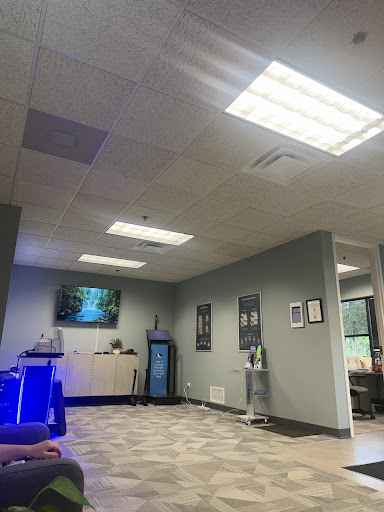


How We Diagnose Back Pain
Diagnosing back pain at Advanced Physical Medicine and Rehab begins with a thorough clinical history covering how symptoms developed, which movements and positions aggravate or ease them, and whether prior imaging or treatment has been completed.
Physical examination includes postural assessment, spinal range of motion testing, and muscle function evaluation through the lumbar spine and hips. Orthopedic tests evaluate disc involvement, nerve root irritation, joint stress, and sacroiliac joint function. Palpation of spinal structures identifies areas of joint restriction, muscle tension, and localized inflammation.
When imaging is warranted to confirm a suspected diagnosis or rule out structural pathology, we review existing X-rays or MRIs and order new imaging as necessary. The examination is designed not just to identify where pain occurs but to determine why it developed.
How Advanced Physical Medicine And Rehab Treats Back Pain
Back pain treatment at Advanced Physical Medicine and Rehab focuses on restoring spinal motion, reducing pain and nerve irritation, and strengthening the muscles that support the spine through daily movement and activity. Treatment plans are individualized based on the specific structures involved and each patient’s functional goals.

Non-Surgical Spinal Decompression
Our Kennedy Decompression technique gently relieves pressure on compressed spinal discs.
Learn More
Shockwave Therapy
SoftWave and Piezo Wave shockwave therapy stimulate true tissue healing at the cellular level.
Learn More
Laser Therapy
Our Class 4 Summus Medical Laser accelerates healing, reduces inflammation, and relieves pain.
Learn More
Chiropractic Care
We perform thorough adjustments, review imaging, and deliver care plans built around measurable, lasting correction.
Learn More
Physical Therapy & Rehabilitation
We use Functional Movement Screening and Trigenics to identify and address movement dysfunction at the source..
Learn MoreWhy Early Treatment Matters For Back Pain
Back pain that is managed with rest and over-the-counter medication alone often recurs because the mechanical and structural factors that caused it are never corrected. Prolonged guarding and inactivity lead to muscle atrophy, increased joint stiffness, and compensatory movement patterns that create new problems in the hips, pelvis, and opposite side of the spine.
Early treatment aims to address the underlying cause, restore movement before secondary changes develop, and provide patients with a clear plan for maintaining spinal health over the long term.
The Specialists Behind Your Personalized Care
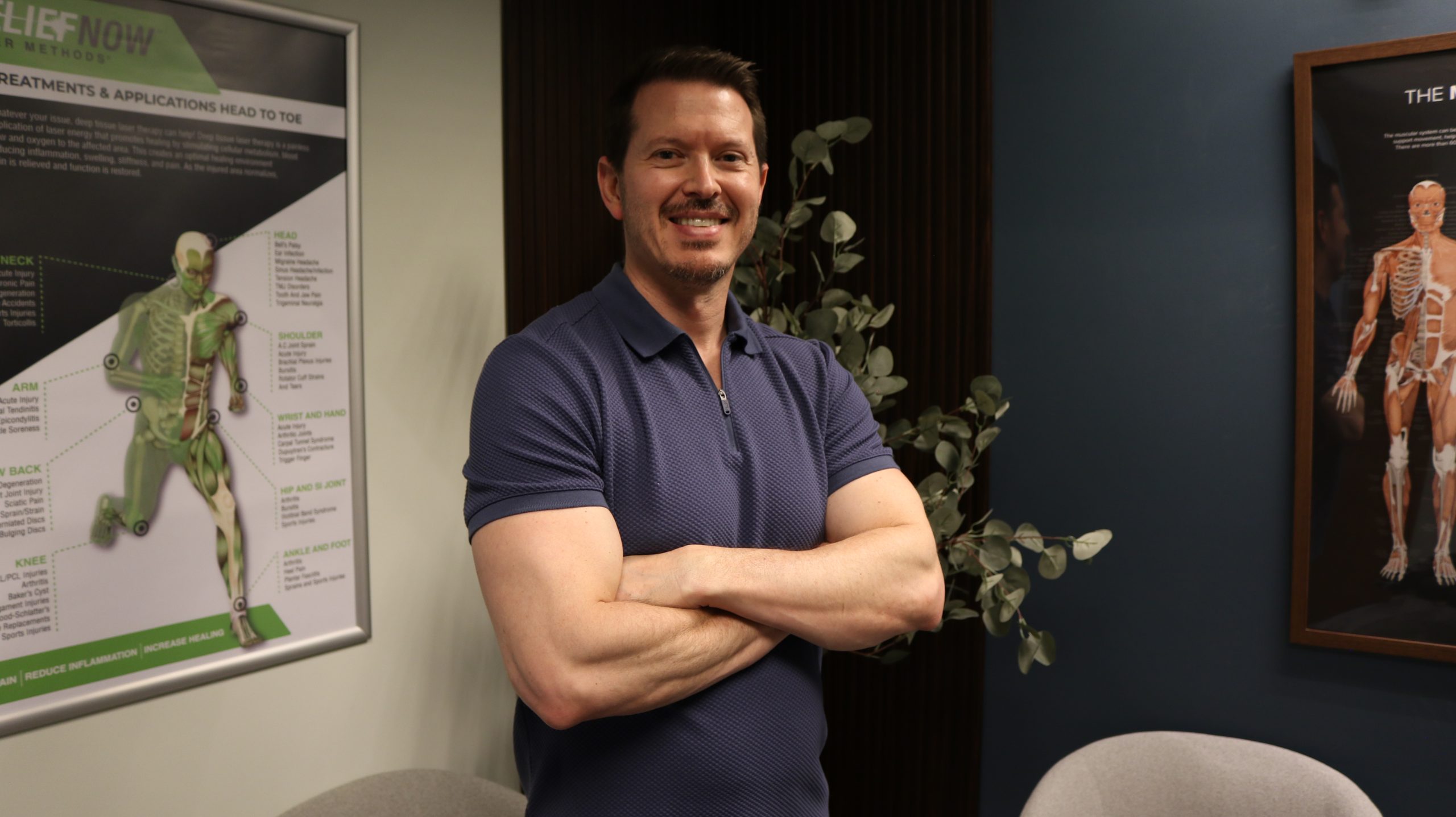
Dr. Cameron Clark, DC — Clinic Owner & Chiropractor
Meet The Doctor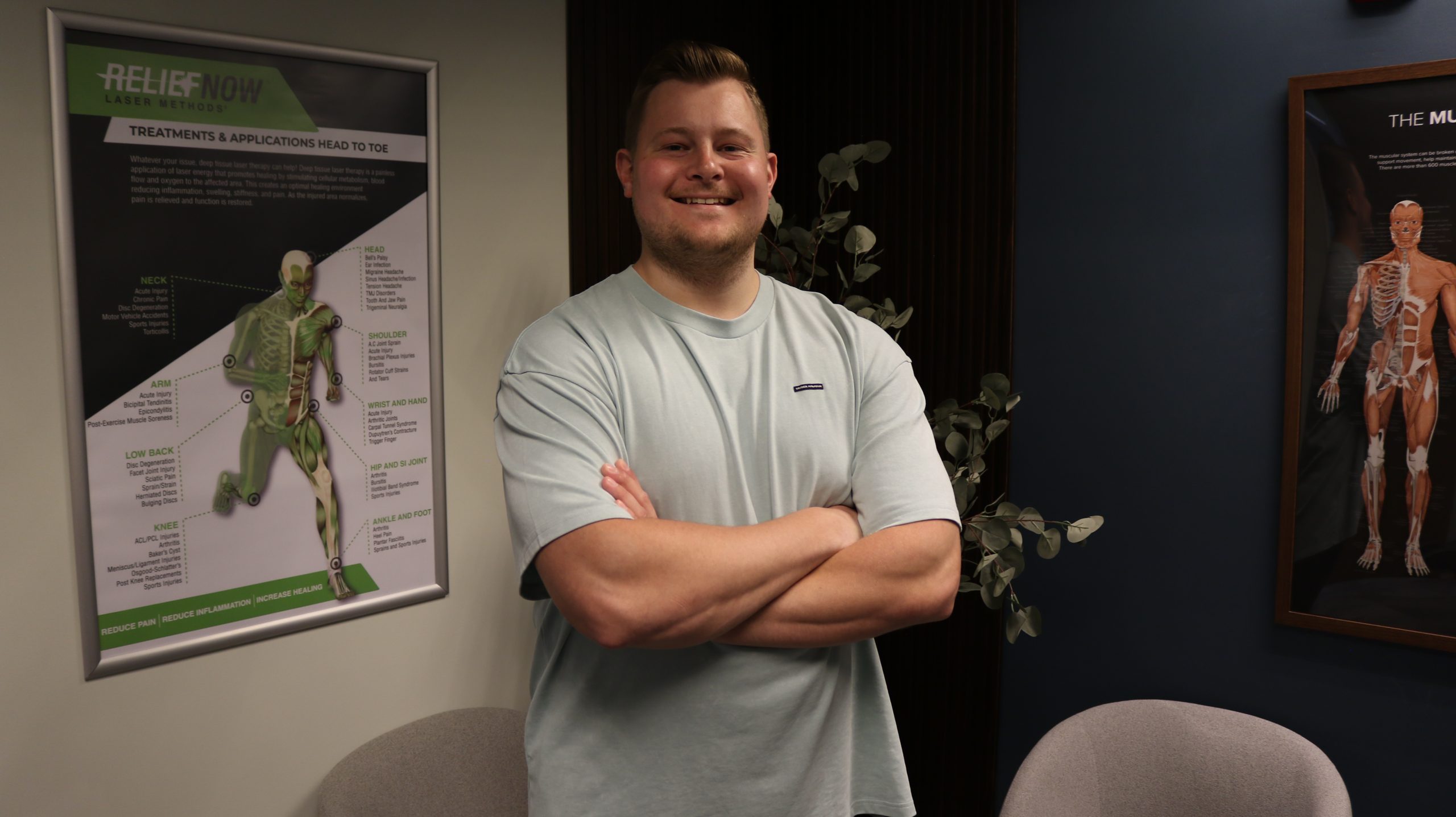
Kyle — Therapy Assistant

Aleks — Therapy Assistant
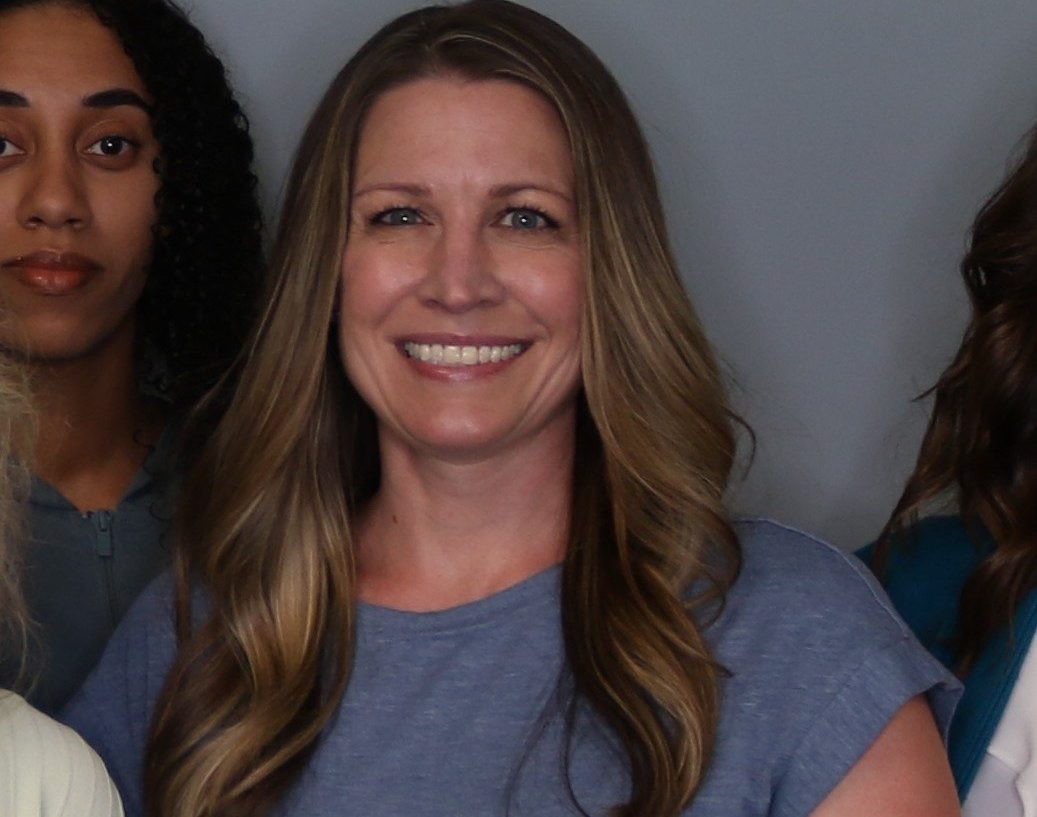
Callie — Office Manager & Patient Liaison

Pam, Alexia, Deb — Front Desk
Serving Hoffman Estates And Nearby Illinois Communities
Advanced Physical Medicine and Rehab is located in Hoffman Estates, Illinois, and provides sciatica treatment for patients from Hoffman Estates, Barrington, Schaumburg, Palatine, Elgin, and Streamwood.
Frequently Asked Questions About Back Pain Treatment
Book Back Pain Treatment In Hoffman Estates
Back pain that limits how you move, work, or stay active does not have to be the new normal. Contact Advanced Physical Medicine and Rehab to book an appointment, or call with questions about your symptoms.