

Tennis Elbow And Golfer's Elbow Treatment In Hoffman Estates, IL
Elbow pain that flares with gripping, lifting, or repetitive arm movement is a sign of tendon stress that rarely improves without targeted treatment. We address the tissue damage and loading patterns behind tennis elbow and golfer's elbow directly.
Content Reviewed By: Dr. Cameron Clark, D.C. on October 14, 2026
Illinois State Chiropractic License Number: 038-011121 (NPI: 1083891477)
Tennis Elbow And Golfer’s Elbow Treatment At A Glance
Tennis elbow and golfer’s elbow are two of the most common elbow overuse conditions, and despite their names, they affect far more office workers, tradespeople, and recreational athletes than tennis and golf players. Both conditions involve degeneration and irritation of the tendons that attach the forearm muscles to the elbow, and both produce a pain pattern that makes gripping, lifting, and repetitive arm movement progressively more difficult.
At Advanced Physical Medicine and Rehab in Hoffman Estates, we treat lateral and medial elbow tendinopathy using shockwave therapy, laser therapy, chiropractic care, and targeted rehabilitation designed to address the tissue damage and loading patterns that drive these conditions. Our goal is to restore pain-free function and get you back to the activities you were doing before the pain started.

What Are Tennis Elbow And Golfer's Elbow?
Tennis elbow (lateral epicondylitis) and golfer’s elbow (medial epicondylitis) are both overuse conditions affecting the tendons at the elbow, but they involve different anatomical structures and produce pain on different sides of the joint.
Tennis elbow involves degeneration or irritation of the tendons that attach the wrist and finger extensor muscles to the lateral epicondyle, the bony prominence on the outer side of the elbow. The condition produces pain on the outside of the elbow that worsens with gripping, lifting with the palm down, and repetitive wrist extension movements.
Golfer’s elbow involves the medial epicondyle on the inner side of the elbow, where the wrist and finger flexor tendons attach. It produces pain on the inside of the elbow that worsens with gripping, wrist flexion, and activities that load the forearm flexor muscles.
Despite the “itis” suffix in their clinical names, current evidence suggests both conditions involve tendon degeneration rather than acute inflammation in most persistent cases, which affects how they are most effectively treated.

Common Symptoms Of Tennis Elbow And Golfer's Elbow
Patients with lateral or medial elbow tendinopathy in Hoffman Estates typically present with a gradual onset of pain that worsens over weeks or months as the tendon deteriorates under repetitive loading.
Tennis elbow produces pain on the outer elbow that worsens when shaking hands, lifting objects with the palm down, turning a doorknob, or typing and using a mouse for extended periods. The pain often radiates down the forearm. Grip strength is typically reduced on the affected side.
Golfer’s elbow produces pain on the inner elbow, often with additional tenderness at the forearm near the attachment point. Wrist flexion movements and pronation of the forearm tend to aggravate symptoms. Some patients experience numbness or tingling in the ring and little fingers if the adjacent ulnar nerve is involved.
Both conditions share a pattern where pain is dull and manageable at rest but sharpens with activity. Daily function is often significantly affected, with patients reporting difficulty with tasks as basic as lifting a coffee cup, carrying grocery bags, or working at a keyboard for prolonged periods.
What Causes Tennis Elbow And Golfer’s Elbow?
Both conditions develop when repetitive mechanical loading on the forearm tendons exceeds the tissue’s capacity to recover, producing gradual degeneration at the tendon’s attachment point.
The most common contributors are occupational and recreational activities that involve repetitive gripping, wrist movement, or forceful forearm activity. Tradespeople who use hand tools, office workers who use a keyboard and mouse for extended periods, athletes in racket sports, and patients returning to weightlifting after a break are all frequently affected.
Technique problems amplify tendon loading. In racket sports, poor backhand mechanics or an ill-fitted grip place disproportionate demand on the lateral elbow tendons. In strength training, wrist and elbow position during pulling or gripping exercises can overload the medial or lateral attachment points.
Reduced grip strength, shoulder and thoracic spine stiffness, and cervical nerve involvement can all contribute to altered forearm mechanics that increase tendon stress. These broader contributing factors are often overlooked when only the local elbow symptoms are treated.

Conditions That Can Mimic Tennis Elbow And Golfer's Elbow
Several conditions produce elbow pain that resembles lateral or medial tendinopathy and should be ruled out before treatment is initiated.
Radial tunnel syndrome involves compression of the radial nerve near the elbow and produces lateral forearm and elbow pain that closely mimics tennis elbow. Unlike tennis elbow, it typically produces a deeper aching pain and may not have a distinct tender point at the lateral epicondyle.
Cubital tunnel syndrome involves ulnar nerve compression at the inner elbow and can mimic golfer’s elbow, particularly when accompanied by numbness in the ring and little fingers. Cervical nerve root compression from the neck is another source of elbow, forearm, and hand symptoms that can be confused with local tendon pathology. Clinical examination differentiates these conditions.

When To Seek Urgent Care For Elbow Pain
Most cases of tennis elbow and golfer’s elbow are appropriate for conservative care. Seek urgent evaluation if elbow pain follows a direct blow or fall and is accompanied by visible deformity, severe swelling, or inability to fully extend the arm. Progressive neurological symptoms including significant hand weakness, widespread numbness, or rapid symptom escalation also warrant prompt evaluation to rule out nerve damage or more serious structural injury.
What Our Patients Are Saying




How We Diagnose Tennis Elbow And Golfer's Elbow
Diagnosing lateral and medial elbow tendinopathy at Advanced Physical Medicine and Rehab begins with a thorough history of symptom onset, activity patterns, and any prior treatment or imaging.
Physical examination includes palpation of the medial and lateral epicondyles, resisted wrist and forearm movement testing to reproduce and localize symptoms, and grip strength assessment. Neurological screening evaluates whether nerve involvement from the elbow or the cervical spine is contributing to the presentation.
Shoulder and cervical spine mechanics are also assessed, as restrictions or dysfunction in these areas often contribute to abnormal forearm loading. When imaging is needed to evaluate tendon integrity or rule out other structural pathology, we review existing imaging or order new studies as appropriate.
How Advanced Physical Medicine And Rehab Treats Tennis Elbow And Golfer's Elbow
Treatment for lateral and medial elbow tendinopathy at Advanced Physical Medicine and Rehab targets the degenerated tendon tissue directly, while also addressing the mechanical and movement factors that caused it to develop. Because these conditions involve tissue breakdown rather than simple inflammation, treatment focuses on stimulating genuine tissue repair alongside load management and strength restoration.

Shockwave Therapy
SoftWave and Piezo Wave shockwave therapy stimulate true tissue healing at the cellular level.
Learn More
Laser Therapy
Our Class 4 Summus Medical Laser accelerates healing, reduces inflammation, and relieves pain.
Learn More
Chiropractic Care
We perform thorough adjustments, review imaging, and deliver care plans built around measurable, lasting correction.
Learn More
Physical Therapy & Rehabilitation
We use Functional Movement Screening and Trigenics to identify and address movement dysfunction at the source..
Learn MoreWhy Early Treatment Matters For Tennis Elbow And Golfer’s Elbow
Tendon degeneration tends to progress when loading continues without treatment. Tendons that are repeatedly stressed beyond their recovery capacity accumulate micro-damage, lose structural integrity, and become increasingly resistant to healing. Patients who continue working or training through elbow pain often find that what began as a mild discomfort has become a persistent limitation that no longer responds to simple rest.
Early intervention aims to reduce tendon stress, stimulate repair before degeneration advances, and address the contributing mechanical factors while they are still straightforward to correct.
The Specialists Behind Your Personalized Care
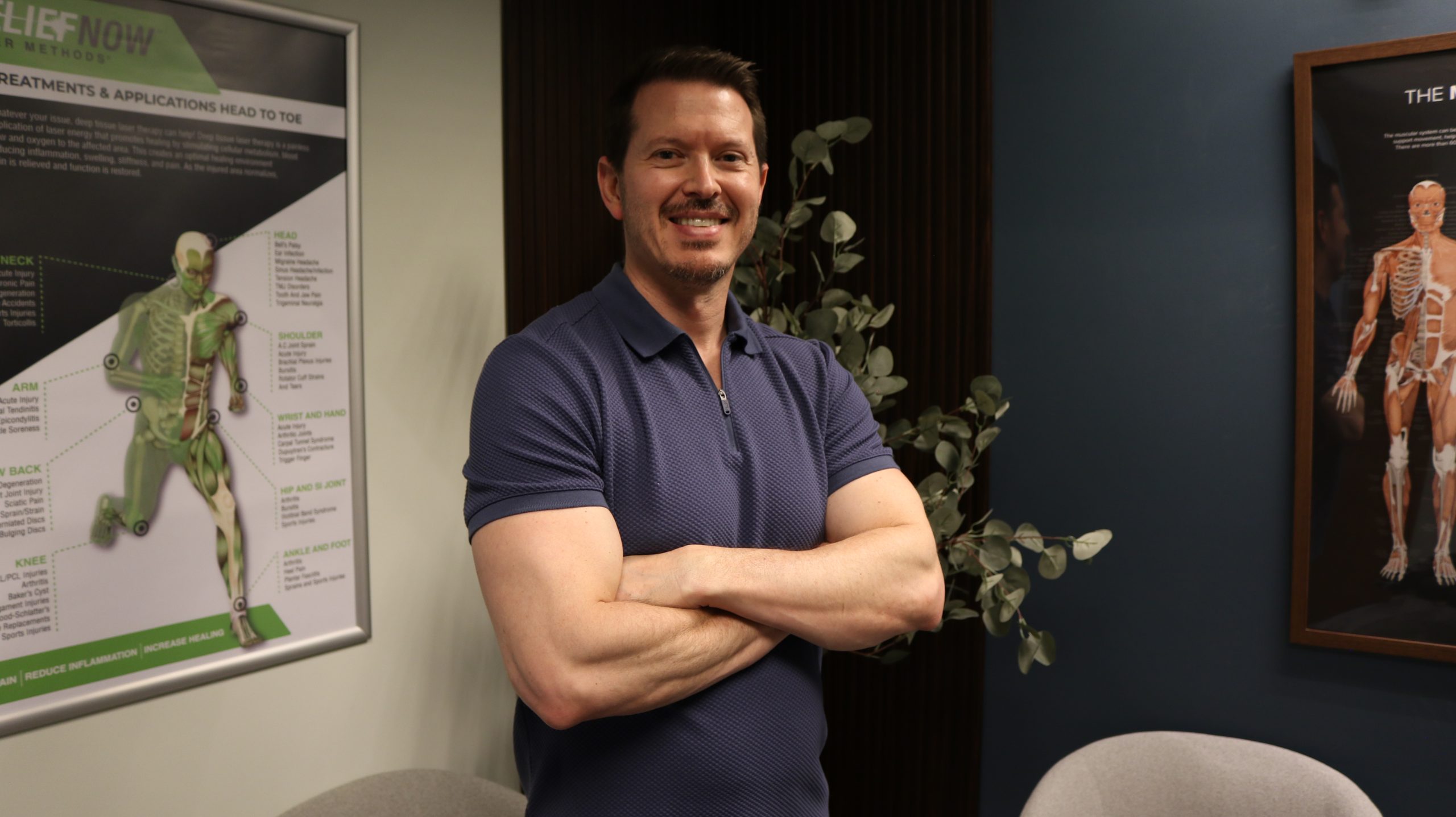
Dr. Cameron Clark, DC — Clinic Owner & Chiropractor
Meet The Doctor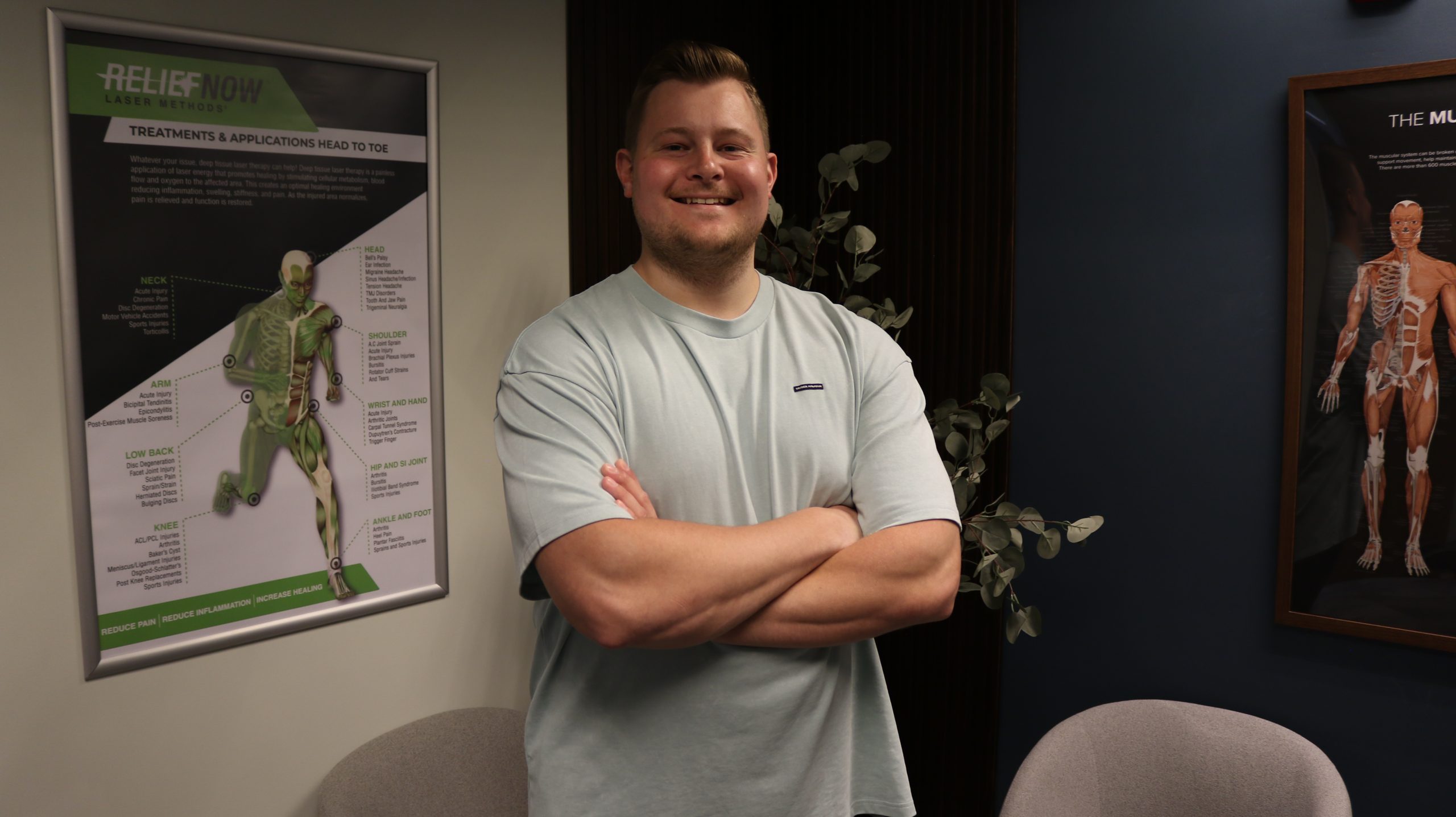
Kyle — Therapy Assistant

Aleks — Therapy Assistant
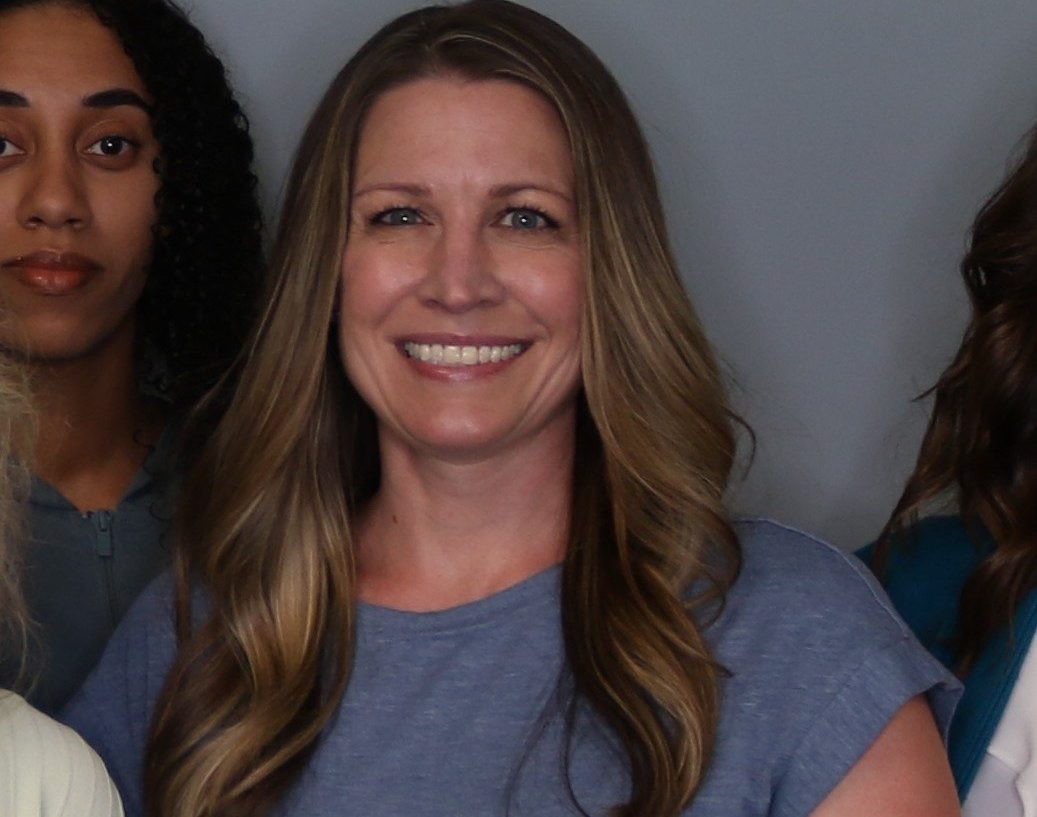
Callie — Office Manager & Patient Liaison

Pam, Alexia, Deb — Front Desk
Serving Hoffman Estates And Nearby Illinois Communities
Advanced Physical Medicine and Rehab is located in Hoffman Estates, Illinois, and provides sciatica treatment for patients from Hoffman Estates, Barrington, Schaumburg, Palatine, Elgin, and Streamwood.
Frequently Asked Questions About Elbow Pain Treatment
Book Tennis Elbow And Golfer’s Elbow Treatment In Hoffman Estates
Elbow pain that limits your grip, your work output, or your ability to train does not have to be a recurring problem. Contact Advanced Physical Medicine and Rehab to book an appointment or call to discuss your symptoms.