

Knee Pain Treatment in Hoffman Estates, IL
Knee pain that keeps you off the court, out of the gym, or limping through your day is a problem we address with advanced non-surgical options. We find what is driving the pain and build a plan to get you moving again.
Content Reviewed By: Dr. Cameron Clark, D.C. on October 14, 2026
Illinois State Chiropractic License Number: 038-011121 (NPI: 1083891477)
Knee Pain Treatment At A Glance
Knee pain affects people at every activity level, from athletes and weekend warriors dealing with sports injuries to desk workers managing chronic stiffness from hours of sitting. Whether the pain developed after a sudden injury, during a return to exercise, or gradually over months of repetitive strain, it can significantly limit your ability to move, exercise, and stay active.
At Advanced Physical Medicine and Rehab in Hoffman Estates, we treat knee pain with a diagnosis-first approach that goes beyond the surface symptom. Our team uses advanced non-surgical options including the Knee-on-Trac program, shockwave therapy, laser therapy, and targeted rehabilitation to address the specific structures contributing to your pain, restore joint function, and support long-term recovery. The goal is not just symptom relief but restoring the strength and mobility that lets you do the things that matter.

What Is Knee Pain?
Knee pain is any discomfort, stiffness, or dysfunction in or around the knee joint that affects normal movement or load-bearing activity. The knee is a complex structure that relies on the coordination of bones, cartilage, ligaments, tendons, and bursae to absorb impact, support body weight, and allow controlled motion through walking, running, climbing, and bending.
Pain can originate from several different structures within or around the joint. Damage or degeneration of the articular cartilage that lines the joint surface, irritation of the tendons that attach to the kneecap, compression of structures within the joint space, or instability from ligament strain each produce distinct pain patterns and functional limitations.
Knee pain is classified as acute when it follows a specific injury event, or as persistent when it develops gradually through cumulative stress on joint structures. Acute and persistent cases often require different treatment strategies, which is why an accurate diagnosis is the starting point for any effective care plan at our clinic.

Common Symptoms Of Knee Pain
Patients with knee pain in Hoffman Estates present with a range of symptoms that vary depending on which structures are involved and how long the problem has been developing.
The most common complaints include localized pain on the front, inside, or outside of the knee, swelling or a sense of fullness in the joint, and stiffness that is most pronounced after sitting for extended periods or immediately after waking. Some patients notice a clicking, catching, or grinding sensation during movement, particularly when going up or down stairs.
Pain patterns often reflect the underlying cause. Anterior knee pain that worsens during activity involving knee flexion, such as squatting or cycling, often points to the kneecap and surrounding structures. Pain along the inner or outer joint line may indicate involvement of the menisci or ligaments.
Daily function is frequently affected. Patients commonly report difficulty managing stairs, reluctance to resume exercise or sport, disturbed sleep when the knee cannot find a comfortable position, and frustration with limitations that have persisted despite rest and self-care.
What Causes Knee Pain?
Knee pain develops when mechanical stress, injury, or degenerative changes place more load on joint structures than they can handle without irritation or breakdown.
Overuse is one of the most common contributors. Repetitive activities, including running, jumping, or cycling, create cumulative stress on tendons, cartilage, and the patella. When the surrounding muscles are not strong enough or balanced enough to distribute that load properly, specific structures are overloaded.
Acute injuries such as ligament sprains, meniscal tears, and direct trauma alter joint stability and mechanics. Even minor sprains, if not fully rehabilitated, can lead to altered movement patterns and ongoing discomfort.
Degenerative changes, including cartilage wear and joint space narrowing, are common among active adults and older patients and typically produce symptoms that worsen gradually over months or years.
Biomechanical problems in the hip, foot, or ankle can also contribute. When the joints above and below the knee are not moving correctly, the knee absorbs compensatory forces it was not designed to handle.

Conditions That Can Mimic Knee Pain
Not all pain that presents in or around the knee originates from the knee joint itself. Accurate diagnosis helps avoid treating the wrong structure.
Hip joint pathology, including osteoarthritis and labral issues, often produces pain that is felt in the anterior thigh and knee rather than the hip, especially during activity. Referred pain from lumbar spine nerve compression can travel down the leg and settle in or around the knee without the patient experiencing significant back pain.
Iliotibial band syndrome produces lateral knee pain that is easily confused with ligament or meniscal involvement. Prepatellar bursitis, which involves inflammation of the bursa in front of the kneecap, can resemble patellar tendon pathology. Clinical examination and, when necessary, imaging distinguish these conditions.

When To Seek Urgent Care For Knee Pain
Seek immediate medical evaluation if your knee pain follows a significant injury and the joint appears deformed, is unable to bear weight, or has locked in a fixed position. Sudden onset of severe swelling, skin that is hot and red over the joint, or fever accompanying knee pain may indicate an infection or acute inflammatory condition requiring urgent care rather than a scheduled chiropractic appointment.
What Our Patients Are Saying




How We Diagnose Knee Pain
Diagnosing knee pain at Advanced Physical Medicine and Rehab begins with a thorough history of the injury or symptom onset, activity level, and any prior treatment or imaging.
We assess gait, lower extremity alignment, and how load transfers through the hip, knee, and ankle during movement. Range of motion testing and joint line palpation identify the specific structures generating pain. Orthopedic testing evaluates ligament integrity, meniscal involvement, and patellar tracking.
Functional movement assessment using tools such as the Functional Movement Screen (FMS) helps identify contributing movement deficiencies beyond the knee itself. When imaging is indicated, we review existing X-rays or MRIs and order new imaging where necessary to ensure treatment is directed at the correct structure.
How Advanced Physical Medicine And Rehab Treats Knee Pain
Knee pain treatment at Advanced Physical Medicine and Rehab focuses on reducing inflammation and joint stress, restoring range of motion, and rebuilding the strength and stability the knee needs to function under load. We use several non-surgical approaches in combination based on each patient’s diagnosis and activity goals.

Shockwave Therapy
SoftWave and Piezo Wave shockwave therapy stimulate true tissue healing at the cellular level.
Learn More
Knee-on-Trac Treatment
Knee-on-Trac gently decompresses the knee joint to support non-surgical relief for chronic knee pain.
Learn More
Laser Therapy
Our Class 4 Summus Medical Laser accelerates healing, reduces inflammation, and relieves pain.
Learn More
Chiropractic Care
We perform thorough adjustments, review imaging, and deliver care plans built around measurable, lasting correction.
Learn More
Physical Therapy & Rehabilitation
We use Functional Movement Screening and Trigenics to identify and address movement dysfunction at the source..
Learn MoreWhy Early Treatment Matters For Knee Pain
Knee pain that is ignored or managed only with rest and anti-inflammatories often returns because the underlying structural and movement factors are never corrected. Cartilage does not have a strong blood supply, which means it depends on joint movement and loading to stay healthy. Prolonged inactivity, altered gait patterns, and unresolved muscle imbalances around the knee can accelerate joint degeneration over time.
Early intervention helps restore normal joint mechanics, reduce inflammation before it becomes chronic, and address strength deficits while they are still minor.
The Specialists Behind Your Personalized Care
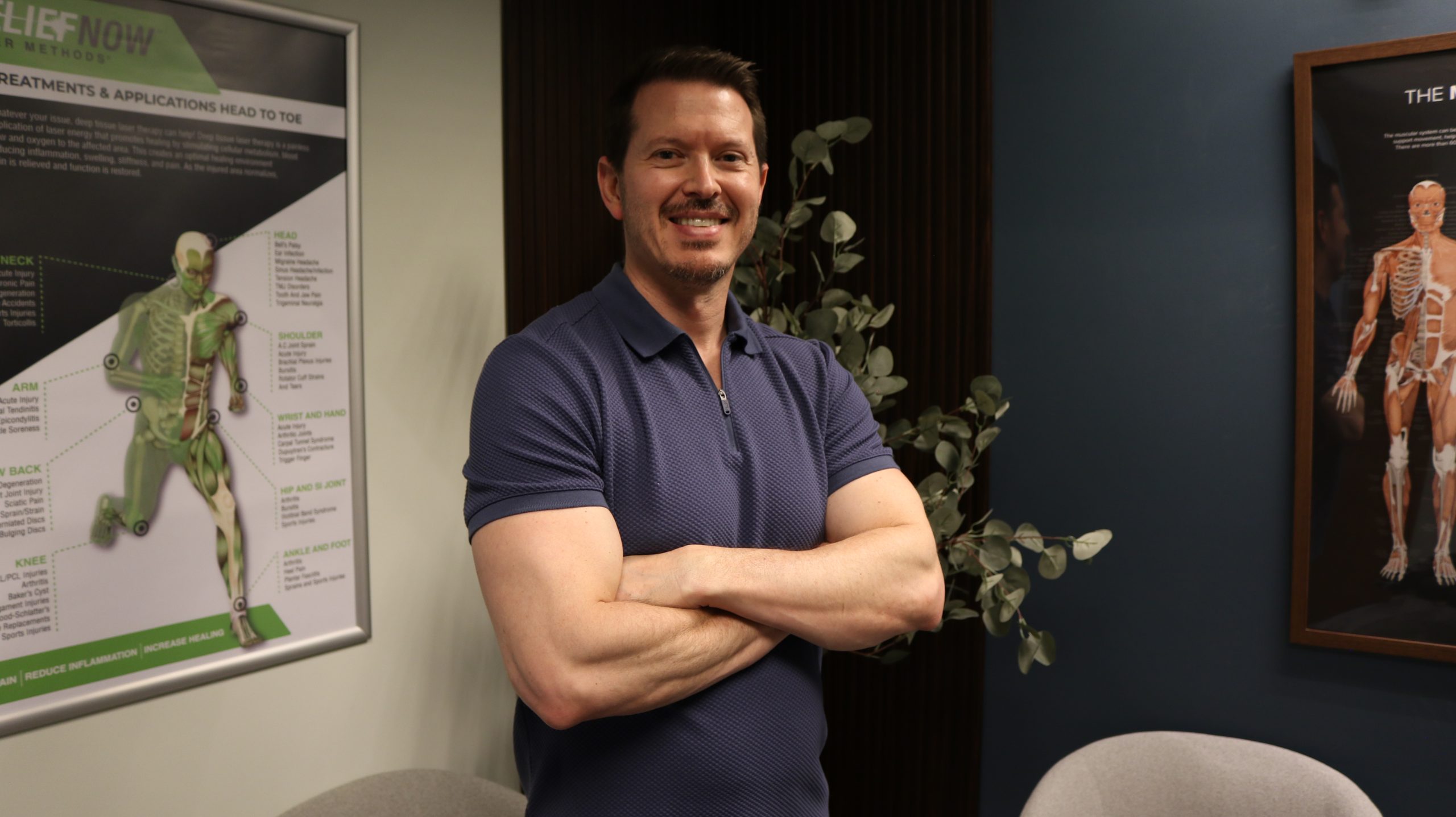
Dr. Cameron Clark, DC — Clinic Owner & Chiropractor
Meet The Doctor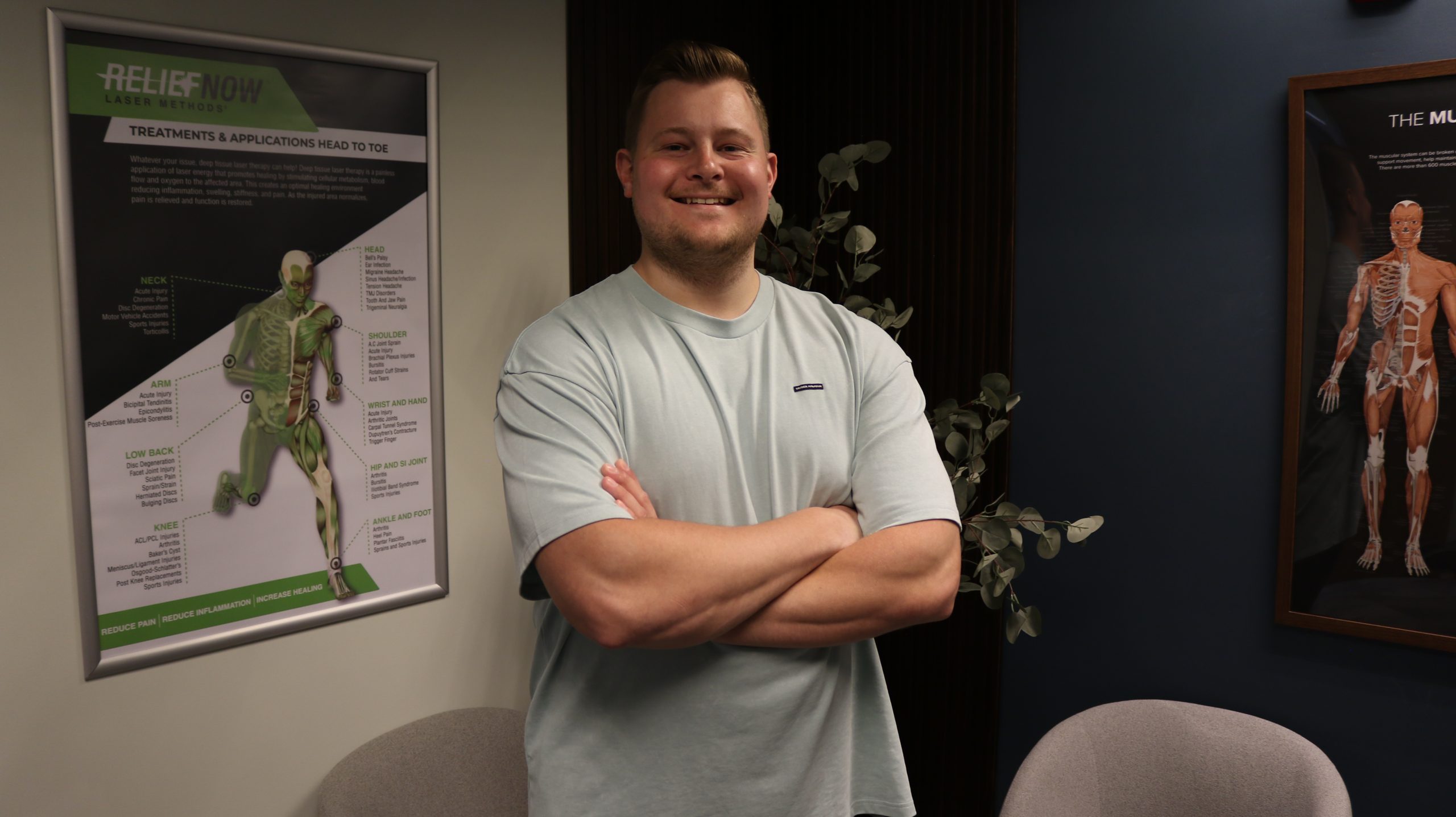
Kyle — Therapy Assistant

Aleks — Therapy Assistant

Callie — Office Manager & Patient Liaison

Pam, Alexia, Deb — Front Desk
Serving Hoffman Estates And Nearby Illinois Communities
Advanced Physical Medicine and Rehab is located in Hoffman Estates, Illinois, and provides sciatica treatment for patients from Hoffman Estates, Barrington, Schaumburg, Palatine, Elgin, and Streamwood.
Frequently Asked Questions About Knee Pain Treatment
Book Knee Pain Treatment In Hoffman Estates
If knee pain is keeping you off the court, out of the gym, or making daily movement harder than it should be, we are ready to evaluate what is driving it. Contact Advanced Physical Medicine and Rehab to book an appointment.