

Shoulder Pain Treatment In Hoffman Estates, IL
Shoulder pain that limits your reach, disrupts your sleep, or stops you from lifting and staying active is something we address with a diagnosis-first approach. Non-surgical therapies aimed at restoring function, not just reducing symptoms, are at the core of how we treat it.
Content Reviewed By: Dr. Cameron Clark, D.C. on October 14, 2026
Illinois State Chiropractic License Number: 038-011121 (NPI: 1083891477)
Shoulder Pain Treatment At A Glance
Shoulder pain is one of the most disruptive musculoskeletal complaints for active adults. Whether it developed after an overhead sports injury, during a return to strength training, from repetitive work movements, or gradually from postural stress at a desk, shoulder pain limits your reach, disrupts sleep, and makes basic daily tasks unexpectedly difficult.
At Advanced Physical Medicine and Rehab in Hoffman Estates, we evaluate and treat shoulder pain using a diagnosis-first approach that accounts for the joint itself, the surrounding soft tissue, and how the entire shoulder complex is functioning together. Shockwave therapy, laser therapy, chiropractic care, and targeted rehabilitation can work together to reduce pain, restore range of motion, and rebuild the strength needed for lasting recovery.

What Is Shoulder Pain?
Shoulder pain refers to any discomfort or dysfunction in or around the shoulder joint complex that limits movement, strength, or function. The shoulder is the most mobile joint in the body, and that mobility comes at the cost of stability. It depends on coordinated function among the glenohumeral joint, the acromioclavicular joint, the scapulothoracic interface, and the rotator cuff muscles to maintain alignment and transfer force effectively.
When any component of that system is irritated, damaged, or functionally impaired, pain, weakness, or restricted motion follows. Because the shoulder relies so heavily on soft tissue control rather than bony constraint, problems that originate in the rotator cuff, bursa, biceps tendon, or surrounding musculature are common and often produce overlapping symptoms.
Shoulder pain may be acute, following a specific injury, or persistent, developing gradually as cumulative stress outpaces the tissue’s ability to recover. Each presentation requires a distinct diagnostic approach to identify which structures are involved and what is driving the problem.

Common Symptoms Of Shoulder Pain
Patients presenting with shoulder pain at our Hoffman Estates clinic report a range of symptoms that vary significantly depending on which structures are involved.
The most commonly reported complaints include aching or sharp pain in the anterior or lateral shoulder, weakness with reaching overhead or lifting, and pain that worsens with specific movements such as reaching behind the back, pressing overhead, or lying on the affected side. A painful arc of motion, where pain is present only through a middle range of shoulder elevation, is a common pattern in patients with rotator cuff or bursal irritation.
Many patients notice that shoulder symptoms are worst at night and interfere with sleep, particularly when the affected side is pressed against the mattress. Morning stiffness that loosens with gentle movement is also frequently reported.
Daily function is often significantly affected. Patients describe difficulty with tasks such as reaching into high cabinets, fastening clothing, carrying groceries, or participating in sports that involve throwing, swimming, or overhead movement. Reduced grip strength is occasionally reported when the biceps tendon or cervical nerve roots are involved.
What Causes Shoulder Pain?
Shoulder pain develops from a range of mechanical, structural, and degenerative causes, and multiple contributors are often present at the same time.
Rotator cuff irritation or partial tearing is among the most frequent causes in active adults. The four rotator cuff muscles control fine shoulder movement, and repetitive overhead activity, heavy lifting, or a single forceful movement can strain one or more of these structures.
Impingement syndrome occurs when soft tissue structures are compressed within the narrow space beneath the acromion during shoulder elevation. It is frequently related to poor scapular mechanics, muscle imbalances, or postural patterns that reduce the subacromial space.
Biceps tendinopathy involves degeneration or irritation of the biceps tendon at its attachment near the shoulder joint, often producing anterior shoulder pain with gripping and reaching movements.
Acromioclavicular joint sprains from falls or direct contact and glenohumeral joint instability from prior dislocation events are also common causes in athletic populations. Referred pain from the cervical spine should always be ruled out when shoulder symptoms are accompanied by arm, hand, or neck involvement.

Conditions That Can Mimic Shoulder Pain
Several conditions produce symptoms that are felt in the shoulder but originate elsewhere, which is why a comprehensive examination is essential before treatment begins.
Cervical radiculopathy, where a compressed nerve root in the neck refers pain down the arm and into the shoulder region, is one of the most common sources of shoulder-area pain that does not respond to shoulder-focused treatment. Thoracic outlet syndrome compresses neurovascular structures between the collarbone and first rib, producing pain, tingling, and weakness that travel into the shoulder and arm.
Referred pain from the heart, particularly during cardiac events, can present as left shoulder pain and should not be attributed to a musculoskeletal cause without appropriate evaluation. A thorough clinical history and physical examination are necessary to distinguish true shoulder pathology from these referred pain presentations.

When To Seek Urgent Care For Shoulder Pain
Seek immediate care if shoulder pain follows a significant fall, direct blow, or trauma and is accompanied by visible deformity, inability to move the arm, or severe swelling. Left shoulder pain that develops alongside chest tightness, shortness of breath, or jaw pain requires emergency evaluation as it may indicate a cardiac event. Progressive weakness or numbness traveling down the arm and into the hand also warrants prompt evaluation.
What Our Patients Are Saying




How We Diagnose Shoulder Pain
Diagnosing shoulder pain at Advanced Physical Medicine and Rehab begins with a detailed history covering how and when symptoms developed, which activities aggravate or ease them, and whether the problem is related to a specific injury or gradual onset.
Physical examination includes assessment of active and passive shoulder range of motion, rotator cuff strength testing, and palpation of the joint and surrounding soft tissue structures. Orthopedic tests help identify the specific structures involved, including the rotator cuff, biceps tendon, acromioclavicular joint, and bursa.
Cervical spine screening is performed to rule out referred pain from the neck. When imaging would help confirm the diagnosis or guide treatment decisions, we review existing X-rays or MRIs and order new imaging where necessary.
How Advanced Physical Medicine And Rehab Treats Shoulder Pain
Shoulder pain treatment at Advanced Physical Medicine and Rehab focuses on reducing irritation in the affected structures, restoring full range of motion, and rebuilding the rotator cuff and scapular strength needed for normal shoulder function. Care plans are individualized based on the specific structures involved and each patient’s activity goals.

Shockwave Therapy
SoftWave and Piezo Wave shockwave therapy stimulate true tissue healing at the cellular level.
Learn More
Laser Therapy
Our Class 4 Summus Medical Laser accelerates healing, reduces inflammation, and relieves pain.
Learn More
Chiropractic Care
We perform thorough adjustments, review imaging, and deliver care plans built around measurable, lasting correction.
Learn More
Physical Therapy & Rehabilitation
We use Functional Movement Screening and Trigenics to identify and address movement dysfunction at the source..
Learn MoreWhy Early Treatment Matters For Shoulder Pain
Shoulder problems that are not addressed tend to compound. A stiff, painful shoulder alters how the entire upper extremity moves, creating compensatory strain in the neck, upper back, and opposite shoulder. Rotator cuff irritation left untreated often progresses from mild tendinopathy to more significant tearing. Capsular tightening from prolonged guarding can develop into adhesive capsulitis, which is substantially harder to treat than the original problem.
Early care aims to reduce tissue irritation, restore normal movement before secondary stiffness sets in, and address the mechanical factors that are driving ongoing stress on the shoulder.
The Specialists Behind Your Personalized Care
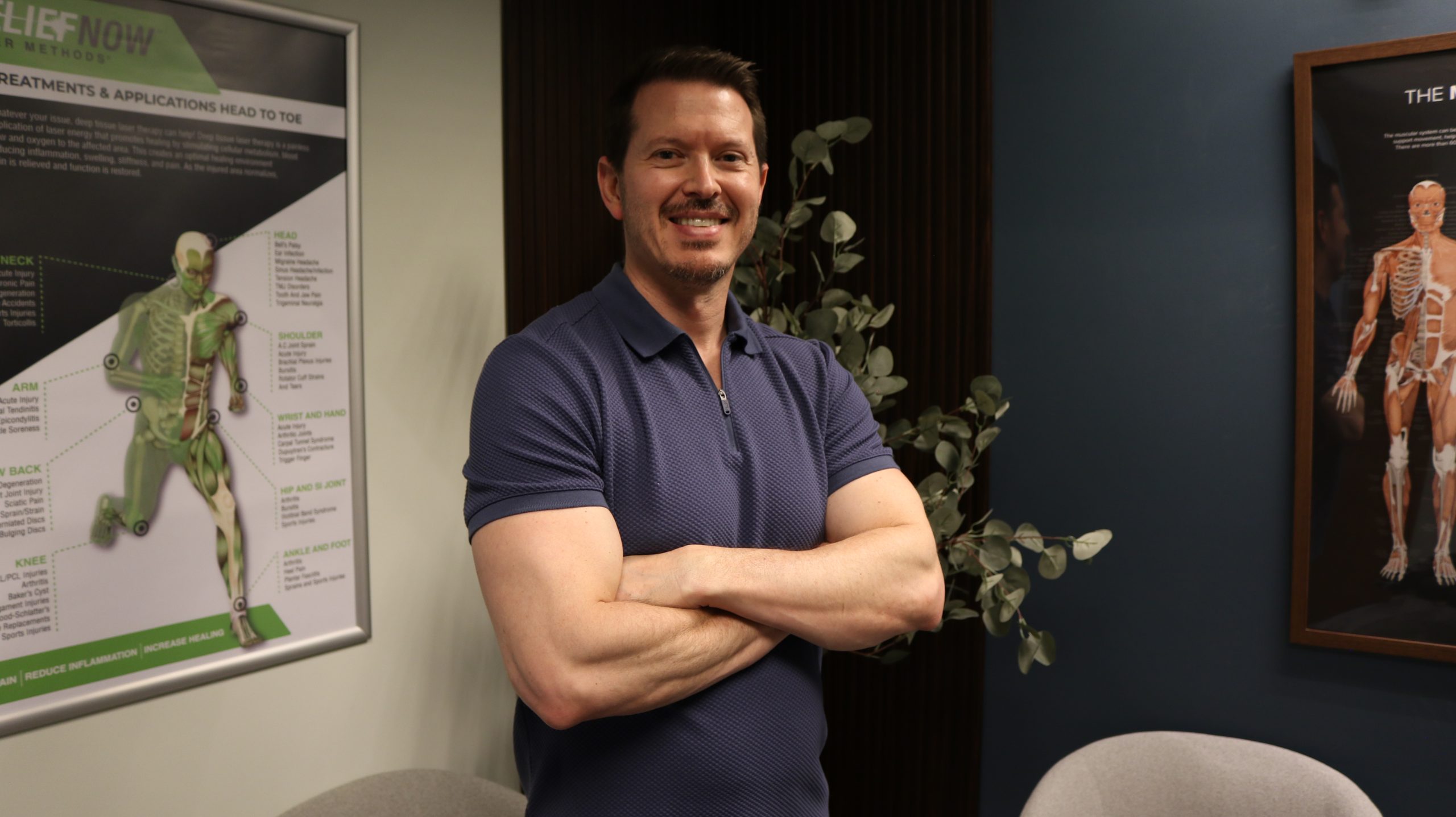
Dr. Cameron Clark, DC — Clinic Owner & Chiropractor
Meet The Doctor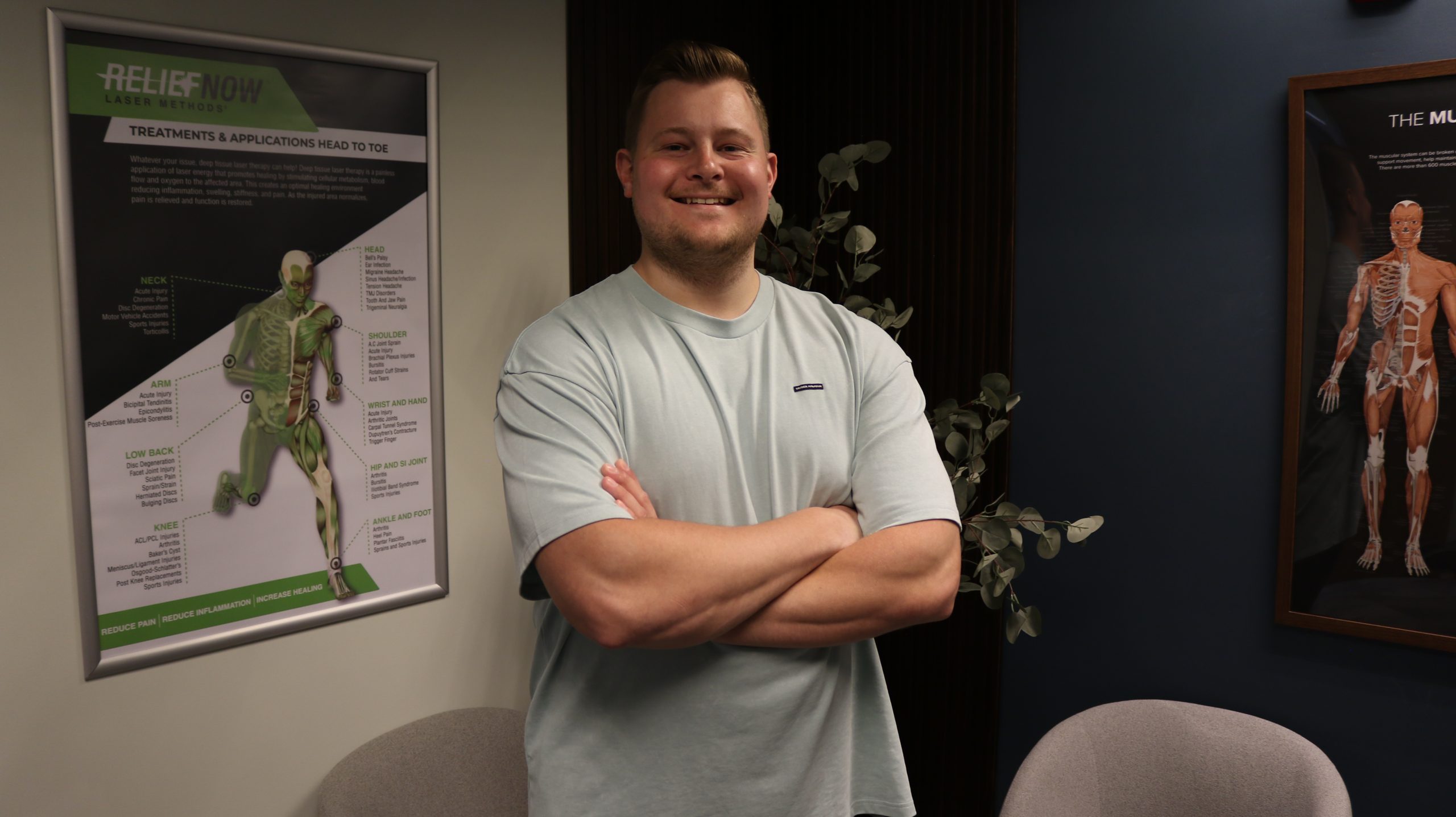
Kyle — Therapy Assistant

Aleks — Therapy Assistant

Callie — Office Manager & Patient Liaison

Pam, Alexia, Deb — Front Desk
Serving Hoffman Estates And Nearby Illinois Communities
Advanced Physical Medicine and Rehab is located in Hoffman Estates, Illinois, and provides sciatica treatment for patients from Hoffman Estates, Barrington, Schaumburg, Palatine, Elgin, and Streamwood.
Frequently Asked Questions About Shoulder Pain Treatment
Book Shoulder Pain Treatment In Hoffman Estates
Shoulder pain that limits your reach, disrupts your sleep, or keeps you away from sport and activity can be addressed with the right diagnosis and plan. Contact Advanced Physical Medicine and Rehab to book an appointment or call to discuss your symptoms.