

Neck Pain Treatment In Hoffman Estates, IL
Neck pain that builds through your workday, interrupts your sleep, or triggers headaches is something we see constantly. We address the mechanical and soft tissue causes that keep it from resolving on its own, before it becomes a chronic problem.
Content Reviewed By: Dr. Cameron Clark, D.C. on October 14, 2026
Illinois State Chiropractic License Number: 038-011121 (NPI: 1083891477)
Neck Pain Treatment At A Glance
Neck pain is among the most common complaints in active adults and desk workers, and its effects often extend well beyond the neck itself. Headaches, shoulder tension, restricted movement, and arm numbness or tingling are all common companions to cervical spine problems. Whether the pain developed suddenly from a sleep position, sport injury, or minor collision, or built gradually from years of forward head posture and screen time, it limits your range of motion and your ability to stay focused and active.
At Advanced Physical Medicine and Rehab in Hoffman Estates, we evaluate cervical spine problems with the same diagnosis-first approach we apply to every condition. Chiropractic care, laser therapy, shockwave therapy, and targeted rehabilitation can work together to restore cervical movement, reduce nerve irritation, and address the postural and muscular factors that are driving the problem.

What Is Neck Pain?
Neck pain is any discomfort, stiffness, or dysfunction involving the structures of the cervical spine, which includes seven vertebrae (C1 through C7), the intervertebral discs between them, a network of facet joints, and the muscles, tendons, and ligaments that support and move the head.
The cervical spine supports the weight of the head, which averages between 10 and 12 pounds in a neutral position, and allows the wide range of rotational and tilting movement the head requires for daily activity. That combination of mobility and load-bearing makes it vulnerable to both acute injury and gradual mechanical breakdown.
Pain in the cervical spine may originate from a restricted or irritated facet joint, a disc that has lost its normal shape or hydration, a muscle that is under sustained tension from postural stress, or a nerve root that is being compressed by surrounding tissue. Each structure produces a distinct pattern of symptoms, and identifying the source is the starting point for any effective treatment.

Common Symptoms Of Neck Pain
Neck pain presents differently depending on which structure is involved and whether nerves are being compressed or irritated.
Localized stiffness and aching in the neck and upper trapezius region are the most frequently reported symptoms, often worsening after prolonged sitting, computer work, or sleeping in an unsupported position. Restricted rotation, where turning the head fully in one or both directions is limited or painful, is also common.
When a cervical disc or bone spur compresses a nearby nerve root, symptoms extend beyond the neck. Patients often describe pain, tingling, numbness, or weakness that travels from the neck into the shoulder, arm, or hand. These radiating symptoms typically follow the path of the compressed nerve and are an important diagnostic indicator.
Cervicogenic headaches, which originate from the cervical spine and are felt at the back of the head or behind the eyes, are another frequent companion to neck pain. Daily function is often affected in ways that are easy to underestimate: difficulty checking blind spots while driving, disrupted sleep, reduced concentration, and limitations in exercise and sport.
What Causes Neck Pain?
Neck pain develops from a combination of structural, postural, and mechanical factors that place sustained or acute stress on cervical spine structures.
Forward head posture is one of the most pervasive contributors in modern life. For every inch the head moves forward from its neutral position over the shoulders, the effective load on the cervical spine increases substantially. Hours of screen work and smartphone use have made this a near-universal postural problem.
Disc degeneration in the cervical spine narrows the space between vertebrae and reduces the cushioning that protects nerve roots during movement. Facet joint irritation from restricted mobility or from the cumulative effects of postural stress produces local pain and stiffness that worsens when the neck is held in one position for too long.
Acute neck injuries from sports collisions, whiplash-type events in vehicle accidents, and sudden awkward movements can produce joint dysfunction, disc strain, and muscle guarding that perpetuate pain long after the original event.
Muscle imbalances between the deep cervical flexors and the larger posterior neck muscles contribute to ongoing instability and fatigue that leave the cervical spine more vulnerable to irritation.

Conditions That Can Mimic Neck Pain
Several conditions produce symptoms in or around the neck region that share features with mechanical cervical spine problems.
Thoracic outlet syndrome involves compression of nerves and blood vessels between the collarbone and the first rib, producing neck, shoulder, and arm symptoms that closely resemble cervical radiculopathy. Temporomandibular joint (TMJ) dysfunction can produce jaw and facial pain that radiates into the neck and is mistaken for cervical joint irritation.
Shoulder pathology, particularly rotator cuff and acromioclavicular joint problems, frequently produces upper trapezius and posterior neck tension that mimics a cervical origin. Rare but important causes including meningitis, cervical artery dissection, and tumors affecting the cervical spine can also present initially as neck pain and require medical rather than chiropractic management. Clinical screening differentiates these presentations.

When To Seek Urgent Care For Neck Pain
Seek immediate medical care if neck pain is accompanied by sudden severe headache, high fever, stiff neck, sensitivity to light, or nausea, as these may indicate meningitis. Progressive arm or hand weakness, loss of coordination, difficulty walking, or loss of bowel or bladder control with neck pain require emergency evaluation. Neck pain that follows a significant trauma, including a vehicle accident or fall, also warrants urgent assessment.
What Our Patients Are Saying




How We Diagnose Neck Pain
Diagnosing neck pain at Advanced Physical Medicine and Rehab begins with a thorough history covering the onset of symptoms, aggravating and easing positions, whether radiating arm or hand symptoms are present, and any prior trauma or treatment.
Physical examination includes cervical range of motion testing, postural assessment, and palpation of the cervical vertebrae, facet joints, and surrounding musculature. Orthopedic and neurological tests evaluate the degree of nerve root involvement and help identify which cervical level is generating symptoms.
Shoulder and upper thoracic spine mechanics are assessed as contributing factors. When imaging is indicated to confirm a suspected disc or joint problem or to rule out structural pathology, we review existing X-rays or MRIs and order new imaging where necessary.
How Advanced Physical Medicine And Rehab Treats Neck Pain
Neck pain treatment at Advanced Physical Medicine and Rehab focuses on restoring cervical spine mobility, reducing nerve and joint irritation, and correcting the postural and muscular patterns that sustain the problem. Individualized care plans address both the immediate source of pain and the contributing factors that would cause it to return without targeted correction.

Shockwave Therapy
SoftWave and Piezo Wave shockwave therapy stimulate true tissue healing at the cellular level.
Learn More
Laser Therapy
Our Class 4 Summus Medical Laser accelerates healing, reduces inflammation, and relieves pain.
Learn More
Chiropractic Care
We perform thorough adjustments, review imaging, and deliver care plans built around measurable, lasting correction.
Learn More
Physical Therapy & Rehabilitation
We use Functional Movement Screening and Trigenics to identify and address movement dysfunction at the source..
Learn MoreWhy Early Treatment Matters For Neck Pain
Cervical spine problems that are not addressed tend to progress in two predictable ways. Joint and disc degeneration accelerates when normal movement is not restored, and compensatory muscle guarding and postural changes create secondary tension patterns that become self-reinforcing over time. Cervical nerve compression that begins as intermittent tingling can progress to persistent numbness and functional weakness if the underlying compression is not resolved.
Early care focuses on restoring movement, reducing nerve irritation before it becomes chronic, and correcting the postural habits and muscle imbalances that would cause the problem to recur.
The Specialists Behind Your Personalized Care
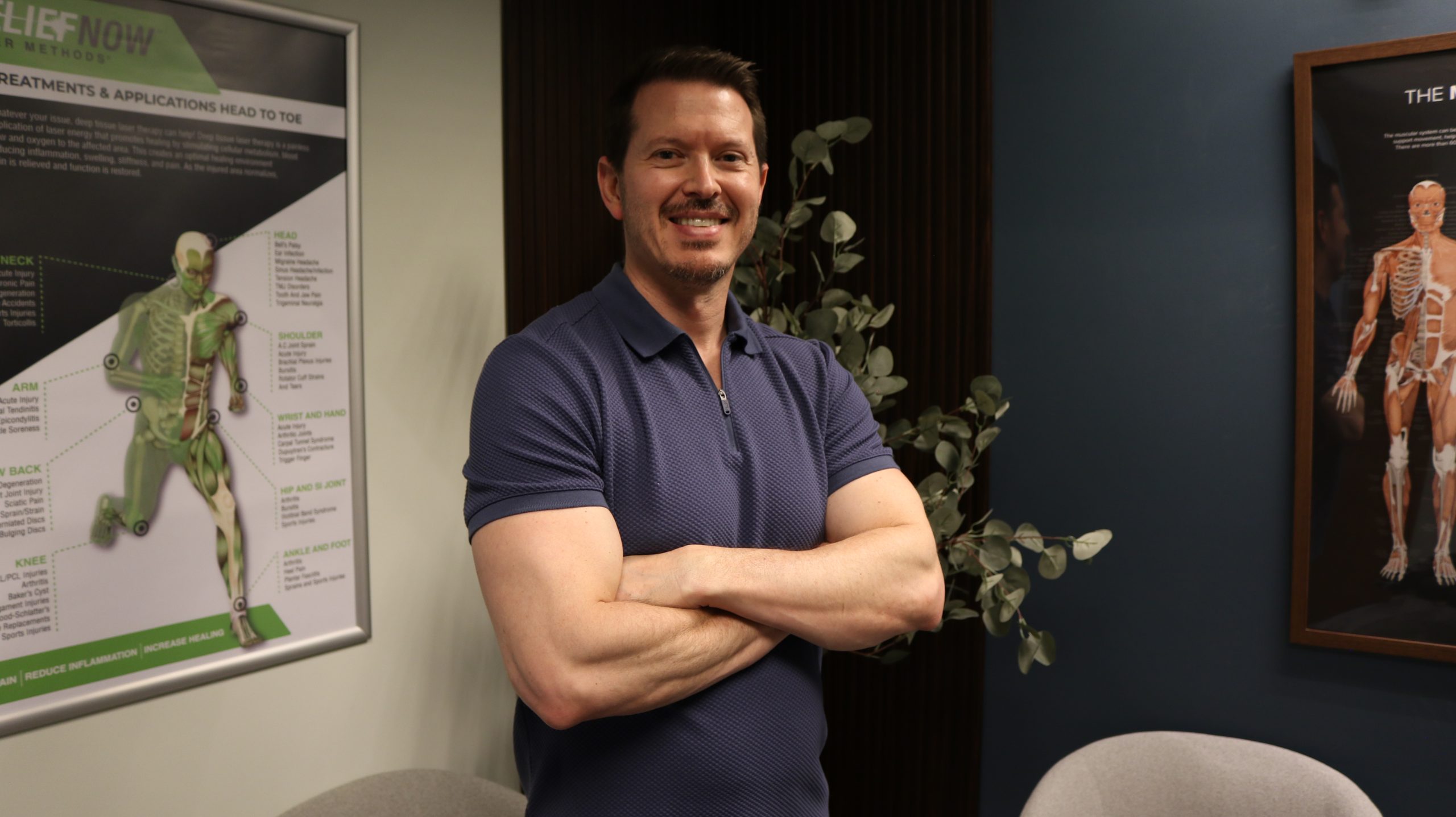
Dr. Cameron Clark, DC — Clinic Owner & Chiropractor
Meet The Doctor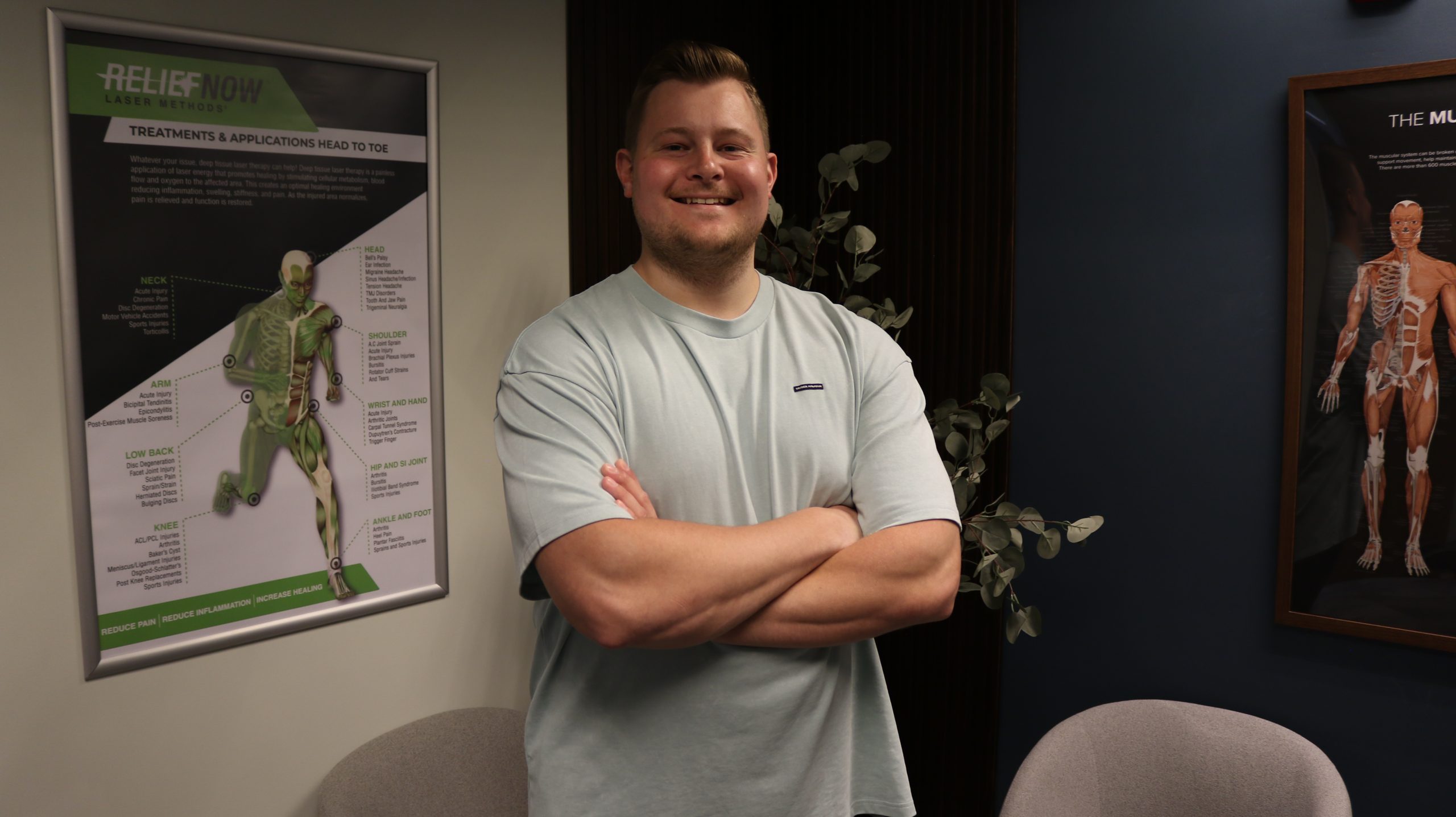
Kyle — Therapy Assistant

Aleks — Therapy Assistant

Callie — Office Manager & Patient Liaison

Pam, Alexia, Deb — Front Desk
Serving Hoffman Estates And Nearby Illinois Communities
Advanced Physical Medicine and Rehab is located in Hoffman Estates, Illinois, and provides sciatica treatment for patients from Hoffman Estates, Barrington, Schaumburg, Palatine, Elgin, and Streamwood.
Frequently Asked Questions About Neck Pain Treatment
Book Neck Pain Treatment In Hoffman Estates
Neck pain, stiffness, and the headaches and arm symptoms that often accompany it can be accurately diagnosed and effectively addressed with the right care plan. Contact Advanced Physical Medicine and Rehab to book an appointment or call to discuss your symptoms.