

Neuropathy Treatment In Hoffman Estates, IL
Burning, tingling, or numbness in the feet or hands that disrupts daily movement and does not respond to rest is often peripheral neuropathy. We offer targeted therapies aimed at supporting nerve function and reducing symptoms without surgery.
Content Reviewed By: Dr. Cameron Clark, D.C. on October 14, 2026
Illinois State Chiropractic License Number: 038-011121 (NPI: 1083891477)
Neuropathy Treatment At A Glance
Peripheral neuropathy is a condition that affects thousands of adults in the Hoffman Estates area, producing the burning, tingling, numbness, and weakness in the feet and hands that make daily movement increasingly difficult. Many patients live with these symptoms for months or years before receiving an accurate diagnosis or finding care that meaningfully addresses what is driving them.
At Advanced Physical Medicine and Rehab, we evaluate neuropathy with a thorough clinical approach designed to identify the contributing factors and determine which non-surgical therapies may help reduce nerve irritation, support tissue recovery, and improve function. Laser therapy, shockwave therapy, chiropractic care, and rehabilitation are all used in combination depending on each patient’s specific presentation and goals.

What Is Peripheral Neuropathy?
Peripheral neuropathy is a condition affecting the peripheral nervous system, which is the network of nerves outside the brain and spinal cord that carries signals between the central nervous system and the rest of the body. When these peripheral nerves are damaged, compressed, or chemically impaired, the signals they carry are disrupted, producing the characteristic sensory, motor, and autonomic symptoms associated with the condition.
The peripheral nervous system includes sensory nerves (which carry information about touch, temperature, and pain), motor nerves (which carry signals that control muscle movement), and autonomic nerves (which regulate functions like heart rate, digestion, and circulation). Neuropathy may affect any one of these nerve types or all three simultaneously, depending on the underlying cause.
Neuropathy is classified by the number of nerves involved (mononeuropathy for one nerve, polyneuropathy for many), by location, or by the underlying cause. Peripheral neuropathy most often affects the longest nerves in the body first, which is why the feet are typically symptomatic before the hands in conditions that affect nerves systemically.

Common Symptoms Of Peripheral Neuropathy
Neuropathy symptoms in Hoffman Estates patients typically begin in the feet and progress upward, though the exact presentation varies depending on which nerve types are affected.
The most common sensory symptoms include burning, tingling, or a pins-and-needles sensation in the feet and lower legs. Numbness that begins at the toes and gradually extends up the foot is characteristic of length-dependent neuropathy. Some patients describe a hypersensitivity to light touch, where even the feeling of socks or bedsheets against the foot is uncomfortable.
When motor nerves are involved, patients notice muscle weakness in the feet and lower legs, balance problems, and a tendency to trip or catch the foot when walking. These balance and coordination changes significantly increase the risk of falls.
Autonomic nerve involvement produces symptoms including poor circulation to the extremities, skin changes, and abnormal temperature regulation in the affected limbs. Daily life is often significantly disrupted, with patients reporting difficulty walking any significant distance, inability to stand comfortably for long periods, disturbed sleep from burning pain, and progressive withdrawal from activities they previously enjoyed.
What Causes Peripheral Neuropathy?
Peripheral neuropathy develops from a wide range of causes, and identifying the contributing factors is important because it affects which treatments are most appropriate.
Diabetes is the most common cause of peripheral neuropathy in the United States. Chronically elevated blood sugar damages the walls of the small blood vessels that supply peripheral nerves, reducing their oxygen and nutrient delivery over time.
Chemotherapy-induced peripheral neuropathy affects a significant proportion of patients who undergo cancer treatment. Certain chemotherapy agents are neurotoxic and produce sensory and motor nerve changes that can persist long after treatment ends.
Spinal compression from degenerative disc changes, spinal stenosis, or herniated discs can compress the nerve roots that form the peripheral nerves, producing neuropathy symptoms that overlap with systemic causes. Identifying whether the nerve damage is occurring at the root level or along the peripheral nerve’s path changes the treatment approach significantly.
Nutritional deficiencies, thyroid dysfunction, alcohol use, and idiopathic causes (where no specific cause is identified despite thorough workup) account for additional cases.

Conditions That Can Mimic Peripheral Neuropathy
Several conditions produce symptoms that resemble peripheral neuropathy and require differentiation before a treatment plan is established.
Lumbar spinal stenosis produces bilateral leg symptoms including burning, numbness, and weakness that worsen with walking and are relieved by sitting or bending forward. These symptoms closely resemble peripheral neuropathy but originate from nerve root compression within the spinal canal rather than from peripheral nerve damage.
Tarsal tunnel syndrome involves compression of the tibial nerve at the ankle and produces foot burning and numbness that resembles distal neuropathy. Vascular insufficiency affecting circulation to the lower extremities produces coldness, pain, and numbness that can mimic sensory neuropathy. Complex regional pain syndrome and restless leg syndrome are additional conditions with symptom overlap. Clinical examination and the patient’s full medical history help distinguish these presentations.

When To Seek Urgent Care For Neuropathy
Most peripheral neuropathy is not a medical emergency, but certain presentations require prompt evaluation. Seek urgent care if neuropathy symptoms develop suddenly and rapidly after a known injury, toxic exposure, or illness. Sudden loss of motor function, including the rapid onset of significant leg weakness or foot drop, requires immediate neurological evaluation. Any neuropathy symptoms accompanied by unexplained weight loss, fever, or systemic illness also warrant medical investigation rather than delayed care.
What Our Patients Are Saying




How We Diagnose Neuropathy
Diagnosing neuropathy at Advanced Physical Medicine and Rehab begins with a comprehensive clinical history that includes the onset and progression of symptoms, medical conditions such as diabetes or thyroid disease, medications, and any prior neurological workup.
Physical examination includes sensory testing of the feet and lower legs using light touch, vibration, and temperature discrimination to map the distribution and extent of sensory changes. Motor strength and balance testing assess whether motor nerve involvement is contributing to functional limitations.
Orthopedic and neurological testing of the lumbar spine evaluates whether a spinal component is contributing to the presentation. When laboratory testing, imaging, or nerve conduction studies are needed to establish the underlying cause or rule out systemic contributors, we coordinate with the patient’s other healthcare providers to ensure a complete diagnostic picture.
How Advanced Physical Medicine And Rehab Treats Neuropathy
Neuropathy treatment at Advanced Physical Medicine and Rehab focuses on reducing nerve irritation, supporting nerve tissue recovery through non-surgical therapies, and addressing contributing mechanical or spinal factors when present. Treatment plans are built around each patient’s specific cause, symptom pattern, and functional goals.

Shockwave Therapy
SoftWave and Piezo Wave shockwave therapy stimulate true tissue healing at the cellular level.
Learn More
Laser Therapy
Our Class 4 Summus Medical Laser accelerates healing, reduces inflammation, and relieves pain.
Learn More
Chiropractic Care
We perform thorough adjustments, review imaging, and deliver care plans built around measurable, lasting correction.
Learn More
Physical Therapy & Rehabilitation
We use Functional Movement Screening and Trigenics to identify and address movement dysfunction at the source..
Learn MoreWhy Early Treatment Matters For Neuropathy
Peripheral nerve damage tends to progress when the underlying contributors are not addressed. The longer nerve tissue is deprived of adequate circulation, compressed, or chemically irritated, the more difficult reversal becomes. Early intervention offers the best opportunity to reduce ongoing nerve damage, stimulate whatever healing capacity the affected nerves retain, and prevent the progressive balance and motor problems that increase fall risk over time.
Patients who begin care early typically experience better functional outcomes than those who wait until symptoms have become constant and severe.
The Specialists Behind Your Personalized Care
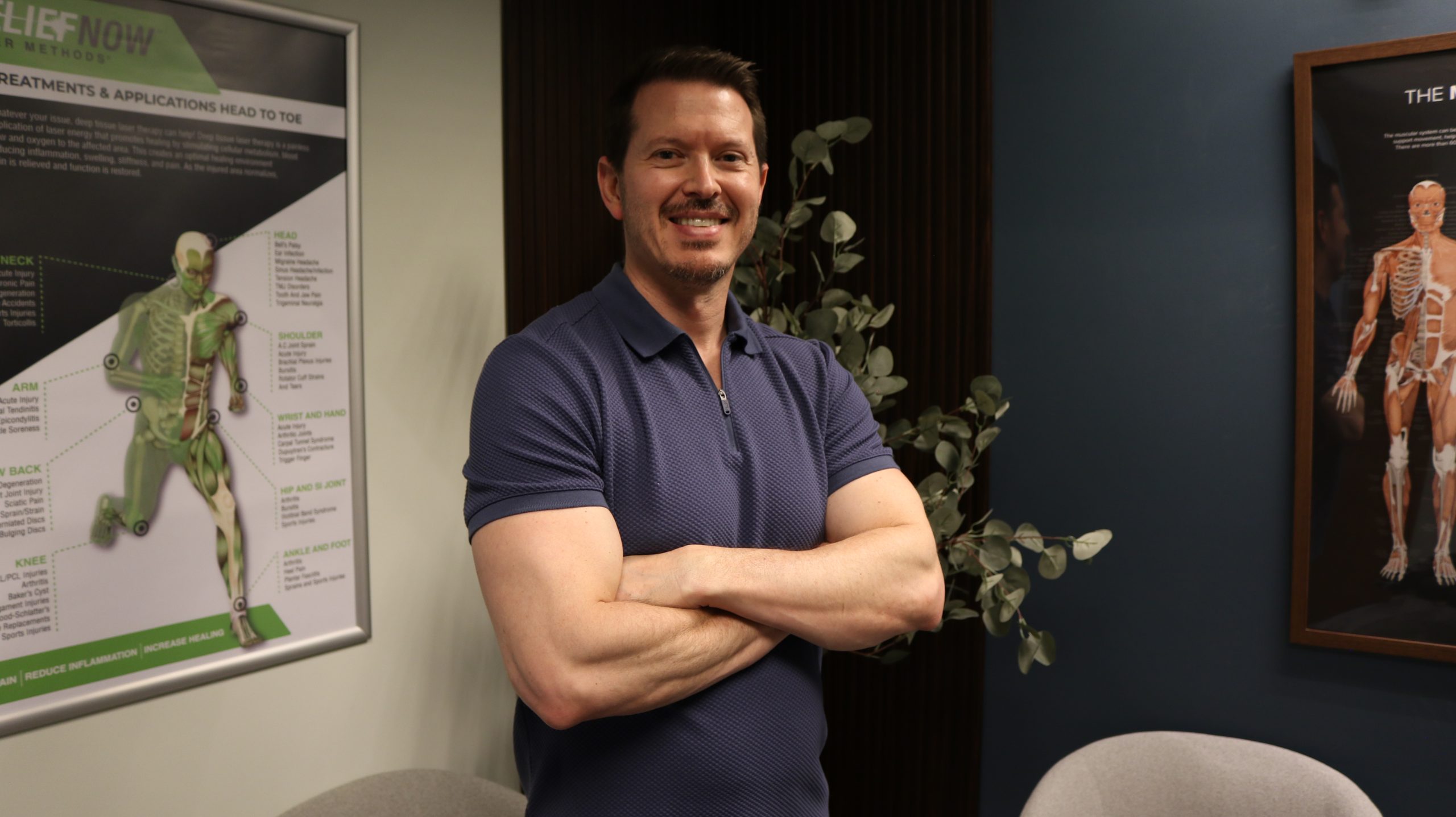
Dr. Cameron Clark, DC — Clinic Owner & Chiropractor
Meet The Doctor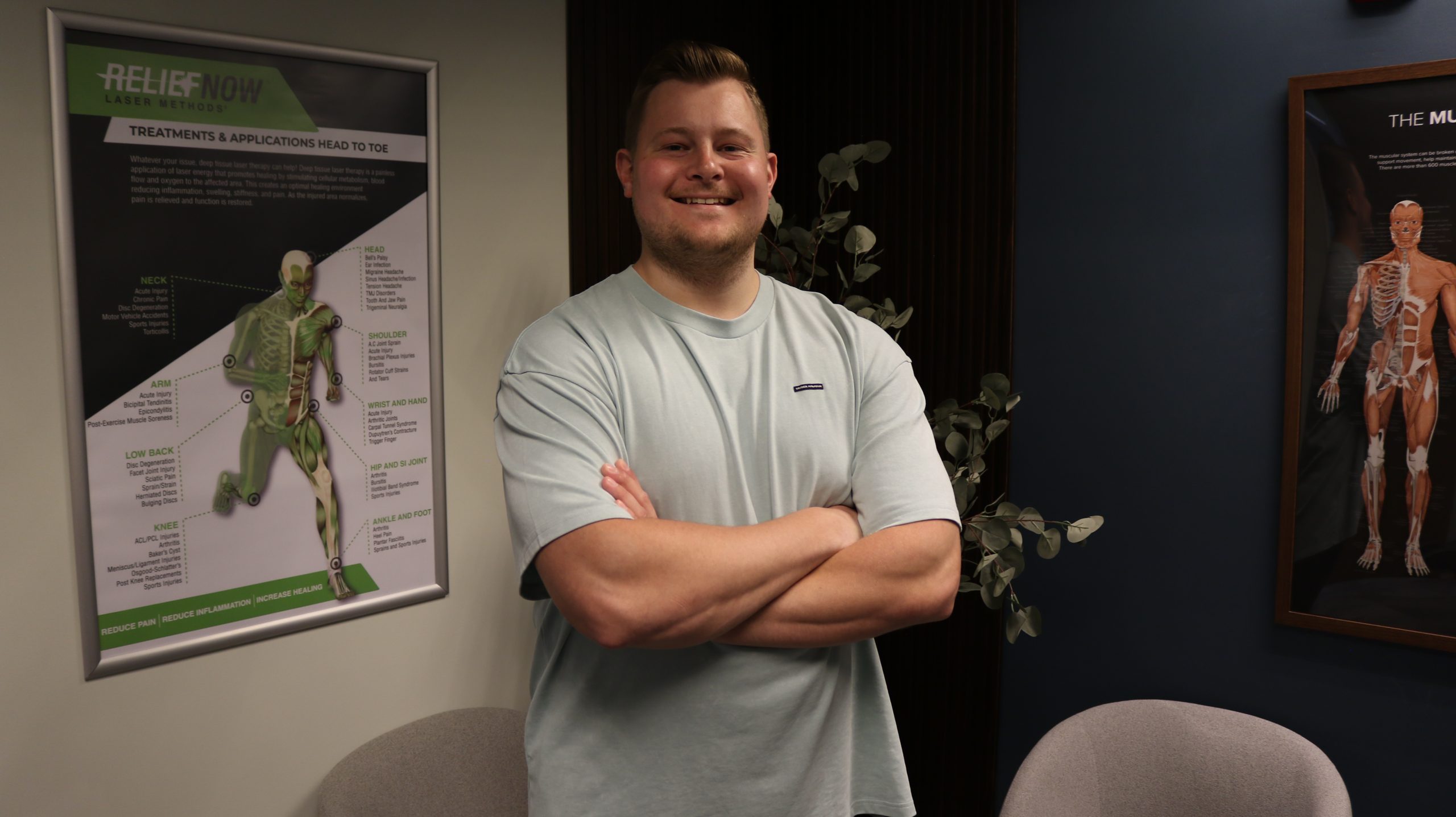
Kyle — Therapy Assistant

Aleks — Therapy Assistant

Callie — Office Manager & Patient Liaison

Pam, Alexia, Deb — Front Desk
Serving Hoffman Estates And Nearby Illinois Communities
Advanced Physical Medicine and Rehab is located in Hoffman Estates, Illinois, and provides sciatica treatment for patients from Hoffman Estates, Barrington, Schaumburg, Palatine, Elgin, and Streamwood.
Frequently Asked Questions About Neuropathy Treatment
Book Neuropathy Treatment In Hoffman Estates
Burning, numbness, and tingling in the feet and hands that are affecting your balance, your sleep, and your ability to stay active can be evaluated and addressed with a clear diagnosis and a structured care plan. Contact Advanced Physical Medicine and Rehab to book an appointment.