

Sciatica Treatment In Hoffman Estates, IL
Targeted, non-surgical care that relieves sciatic nerve pain at its source and gets you moving freely again.
Content Reviewed By: Dr. Cameron Clark, D.C. on October 14, 2026
Illinois State Chiropractic License Number: 038-011121 (NPI: 1083891477)
Sciatica Treatment At A Glance
Sciatica is one of the most commonly misunderstood sources of leg and lower back pain. It develops when the sciatic nerve, which runs from the lower spine through the buttock and down the leg, becomes compressed or irritated by a disc, joint, or inflamed muscle tissue. For many patients in Hoffman Estates and the surrounding area, the result is a sharp, burning, or shooting pain that travels from the lower back into the hip, thigh, or foot, making it difficult to sit, stand, or move without discomfort.
At Advanced Physical Medicine and Rehab, we approach sciatica by identifying the specific structure compressing or irritating the nerve, not just managing the pain where it shows up. Chiropractic care, spinal decompression, and targeted rehabilitation may help reduce nerve irritation, restore spinal mechanics, and support lasting recovery.

What Is Sciatica?
Sciatica is not a diagnosis in itself but a description of symptoms that result from irritation or compression of the sciatic nerve. The sciatic nerve is the longest and widest nerve in the human body, originating from nerve roots in the lumbar spine (L4 through S3) and traveling through the pelvis, buttock, and down each leg to the foot.
When one or more of those nerve roots are compressed, inflammation can develop along any point of the nerve’s path. The resulting symptoms often appear far from where the actual problem originates, which is why patients frequently describe pain, tingling, or numbness in the calf or foot without realizing the source is in the lower back.
Acute sciatica tends to develop suddenly, often after a movement that strains the lower spine or triggers disc displacement. Persistent sciatica, by contrast, develops more gradually through cumulative degeneration, postural stress, or prolonged nerve compression. Both forms benefit from accurate diagnosis before treatment begins.

Common Symptoms Of Sciatica
Patients with sciatica in Hoffman Estates typically describe a symptom pattern that follows the course of the sciatic nerve, though the exact experience varies depending on which nerve root is involved.
The most recognized symptom is a sharp, burning, or shooting pain that travels from the lower back or buttock down one leg. Some patients experience pain that reaches the knee or foot; others feel it primarily in the hip or posterior thigh. Numbness, tingling, or a pins-and-needles sensation in the calf, ankle, or sole of the foot are also common, particularly when the nerve is consistently compressed rather than intermittently irritated.
Symptoms follow predictable patterns in many cases. Sitting for extended periods often aggravates sciatica, which is why desk workers and drivers frequently report flare-ups. Walking, changing positions, or lying down may provide temporary relief, while coughing, sneezing, or bending forward can sharpen the pain.
Sciatica also affects daily function. Patients commonly report difficulty getting in and out of vehicles, interrupted sleep due to leg pain, and reduced ability to exercise or complete work tasks comfortably.
What Causes Sciatica?
Sciatica develops when something compresses, irritates, or inflames one or more of the nerve roots that form the sciatic nerve in the lower lumbar spine.
A herniated or bulging disc is the most frequent cause. When a disc between lumbar vertebrae loses its normal shape or integrity, the displaced material can press directly against an adjacent nerve root. The resulting compression and local inflammation produce sciatica symptoms along the affected nerve’s path.
Spinal stenosis, a narrowing of the canal through which spinal nerves pass, is another common cause, particularly in patients whose sciatica developed gradually over years rather than suddenly.
Piriformis syndrome occurs when the piriformis muscle in the buttock becomes tight or spasms and presses on the sciatic nerve. This is often confused with disc-related sciatica because the symptom pattern overlaps.
Degenerative disc disease and facet joint irritation also contribute to sciatic nerve compression, especially in patients with long-standing postural problems, sedentary work habits, or a history of spinal injury.

Conditions That Can Mimic Sciatica
Several conditions produce symptoms similar to classic sciatica, and accurate differentiation matters because each has a different treatment pathway.
Sacroiliac joint dysfunction can cause pain that radiates into the buttock and upper leg, closely resembling sciatic nerve involvement. Hip joint pathology, including labral tears or early arthritis, may also produce posterior hip and thigh pain that patients interpret as sciatica.
Piriformis syndrome compresses the sciatic nerve at the muscle level rather than at the spinal cord level, and it responds to different treatment protocols. Vascular conditions affecting leg circulation can occasionally produce numbness and burning sensations that overlap with sciatica’s nerve-related symptoms. Clinical examination and, when appropriate, imaging help distinguish the source.

When To Seek Urgent Care For Sciatica
Most sciatica responds well to conservative chiropractic and rehabilitative care. Seek urgent medical attention if you experience sudden loss of bladder or bowel control, progressive weakness in one or both legs, or numbness in the inner thighs and groin. Sciatica that develops after a significant fall, accident, or trauma, or that worsens rapidly over days, also warrants immediate evaluation rather than a scheduled appointment.
What Our Patients Are Saying




How We Diagnose Sciatica
Diagnosing sciatica at Advanced Physical Medicine and Rehab begins with a detailed history of how and when symptoms developed, which movements aggravate or ease them, and whether prior imaging or treatment has been completed.
During the physical examination, we assess lumbar range of motion, postural alignment, and muscle function through the hip and lower extremity. Orthopedic tests such as straight leg raise testing and slump testing help identify the level of nerve root involvement and the likely source of compression.
Neurological screening evaluates sensation, motor strength, and reflexes along the sciatic nerve distribution. When imaging is warranted, we review existing X-rays or MRIs and order new imaging when necessary to confirm the suspected diagnosis and rule out conditions that require a different care pathway.
How Advanced Physical Medicine And Rehab Treats Sciatica
Sciatica treatment at Advanced Physical Medicine and Rehab focuses on reducing nerve compression at its source, restoring proper spinal mechanics, and strengthening the surrounding musculature to prevent recurrence. Because sciatica can originate from several different structures, our approach begins with an accurate diagnosis before any care is initiated.

Non-Surgical Spinal Decompression
Our Kennedy Decompression technique gently relieves pressure on compressed spinal discs.
Learn More
Laser Therapy
Our Class 4 Summus Medical Laser accelerates healing, reduces inflammation, and relieves pain.
Learn More
Chiropractic Care
We perform thorough adjustments, review imaging, and deliver care plans built around measurable, lasting correction.
Learn More
Physical Therapy & Rehabilitation
We use Functional Movement Screening and Trigenics to identify and address movement dysfunction at the source..
Learn MoreWhy Early Treatment Matters For Sciatica
Sciatic nerve compression that goes unaddressed tends to worsen rather than resolve on its own. Prolonged irritation can lead to increased inflammation, greater disc involvement, and progressive muscle weakness in the affected leg. Compensatory movement patterns often develop as patients adjust how they walk, sit, or carry weight to avoid pain, which places additional stress on other spinal structures.
Early treatment aims to reduce nerve pressure before these secondary problems develop, restore normal movement sooner, and give the disc and surrounding tissues the conditions they need to recover properly.
The Specialists Behind Your Personalized Care
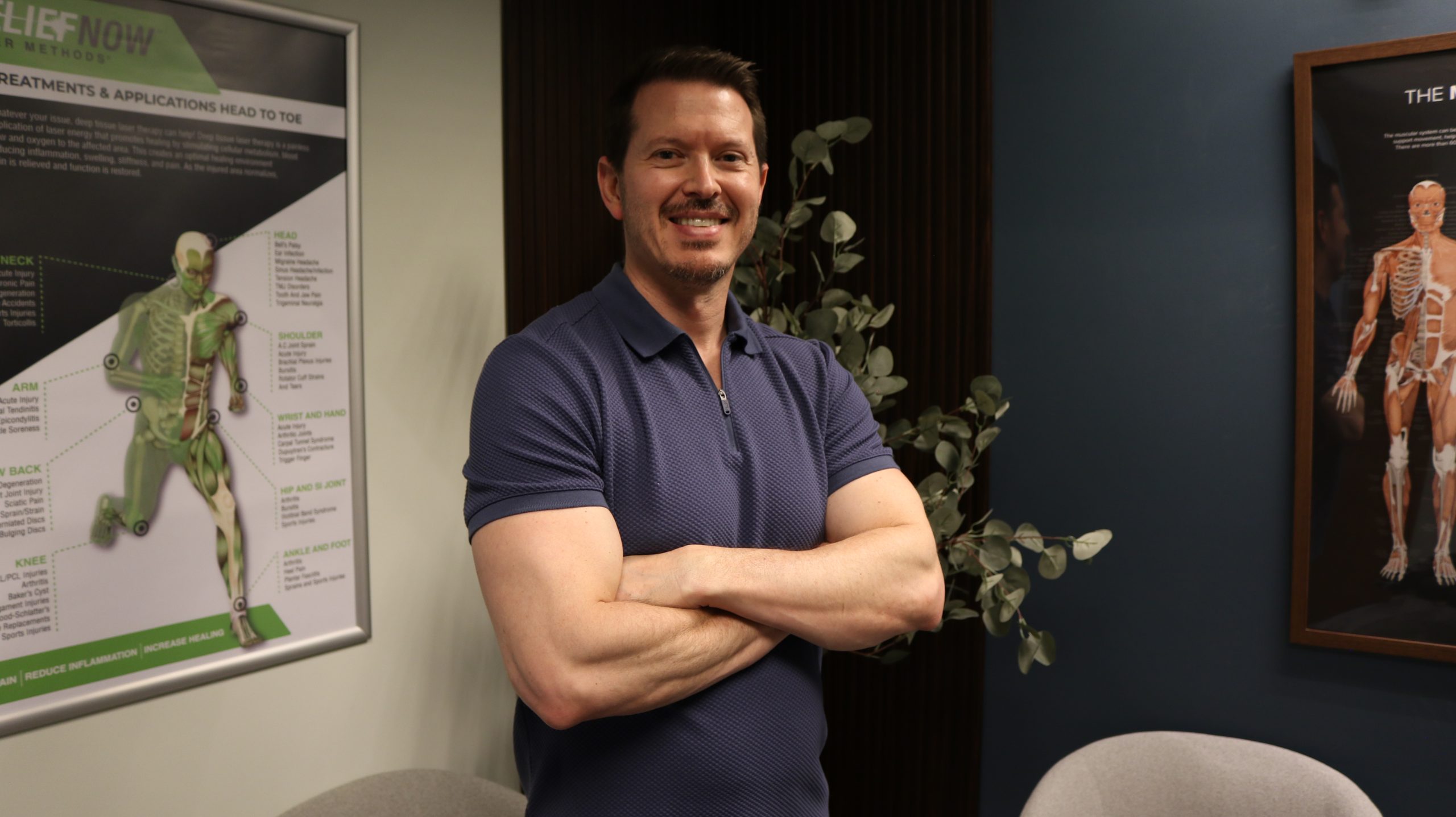
Dr. Cameron Clark, DC — Clinic Owner & Chiropractor
Meet The Doctor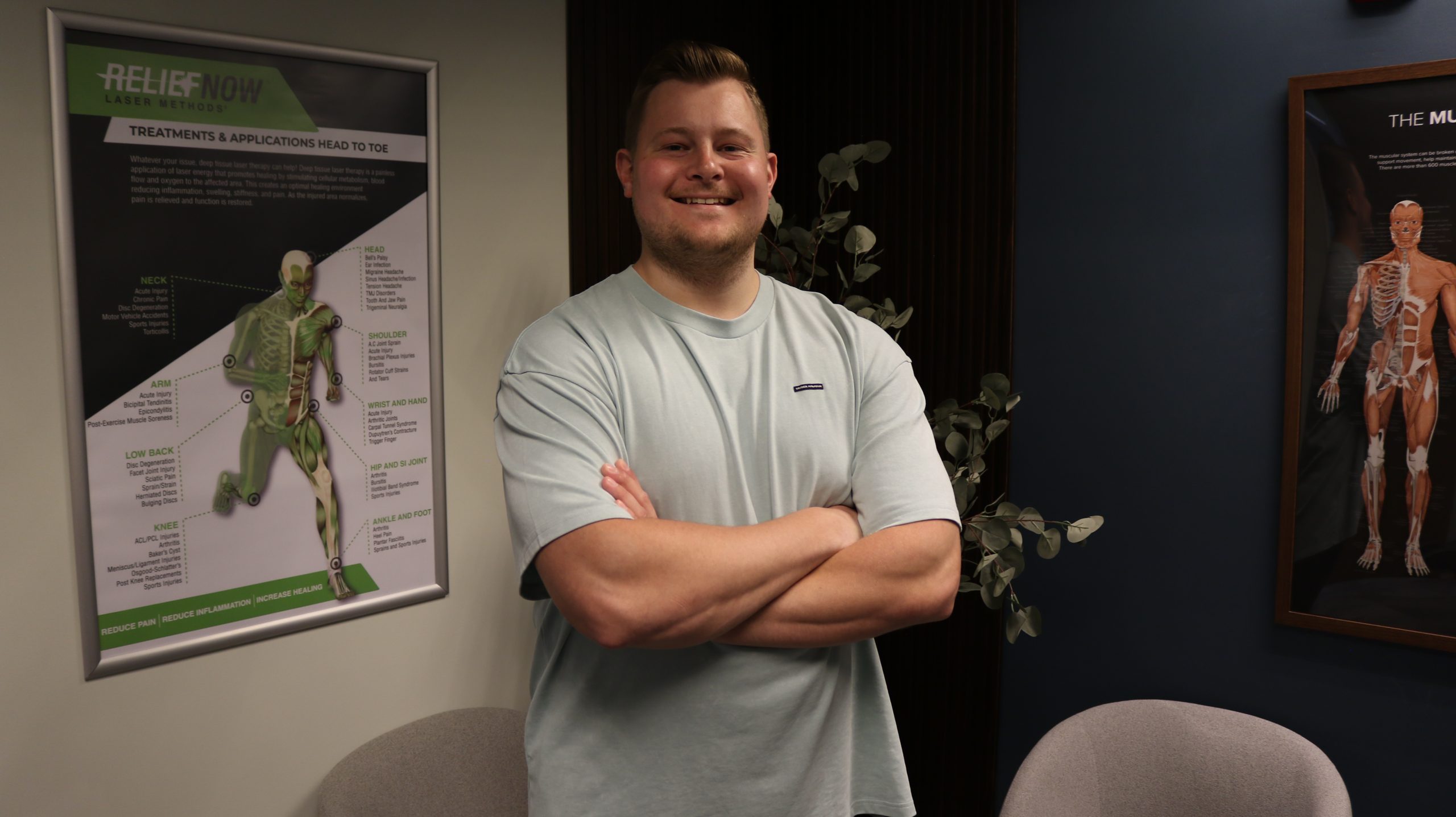
Kyle — Therapy Assistant

Aleks — Therapy Assistant

Callie — Office Manager & Patient Liaison

Pam, Alexia, Deb — Front Desk
Serving Hoffman Estates And Nearby Illinois Communities
Advanced Physical Medicine and Rehab is located in Hoffman Estates, Illinois, and provides sciatica treatment for patients from Hoffman Estates, Barrington, Schaumburg, Palatine, Elgin, and Streamwood.
Frequently Asked Questions About Sciatica Treatment
Book Sciatica Treatment In Hoffman Estates
If sciatic nerve pain is limiting how you move, sit, or sleep, we are ready to evaluate what is driving it and build a plan to address it. Contact Advanced Physical Medicine and Rehab to book an appointment or call with questions.