

Headaches And Migraines Treatment In Hoffman Estates, IL
Headaches that start at the base of the skull, build through a screen-heavy workday, or arrive with nausea and light sensitivity are patterns we recognize and treat. We evaluate the structural contributors before any care begins.
Content Reviewed By: Dr. Cameron Clark, D.C. on October 14, 2026
Illinois State Chiropractic License Number: 038-011121 (NPI: 1083891477)
Headaches And Migraines Treatment At A Glance
Headaches and migraines are among the most common reasons adults in Hoffman Estates seek care outside their primary physician’s office. Cervicogenic headaches, tension-type headaches, and migraines each have distinct triggers and mechanisms, but they share one feature: when the cervical spine, surrounding musculature, or nerve pathways are involved, conservative care can play a meaningful role in reducing both frequency and intensity.
At Advanced Physical Medicine and Rehab, we evaluate headaches with a thorough clinical approach that looks beyond where the pain is felt to identify what is driving it. Many patients who present with chronic or recurring headaches have underlying cervical joint dysfunction, muscle tension, and postural patterns that contribute significantly to their symptoms. Chiropractic care, laser therapy, shockwave therapy, and targeted rehabilitation can work together to address these contributing factors and support lasting improvement.

What Are Headaches And Migraines?
Headaches refer broadly to pain or discomfort in the head, scalp, neck, or face. While the experience is universal, the underlying causes and mechanisms vary considerably depending on the type. Three types are most commonly seen in clinical practice: tension-type headaches, cervicogenic headaches, and migraines.
Tension-type headaches are the most prevalent, typically producing a dull, pressure-like sensation around the head or temples. They are often associated with muscle tightness in the neck and shoulders and prolonged postural stress from sustained desk work or screen use.
Cervicogenic headaches originate from dysfunction in the cervical spine or its surrounding structures. Pain is referred from the neck to the head and is often felt on one side, starting at the base of the skull and traveling toward the forehead or eye. They are commonly mistaken for tension headaches or migraines because the head is where the pain is ultimately experienced.
Migraines are a neurological condition producing moderate to severe, often pulsating head pain, typically on one side, accompanied by nausea, light sensitivity, and sound sensitivity. Episodes may last several hours to several days.

Common Symptoms Of Headaches And Migraines
Symptoms vary substantially by headache type, though some patients experience more than one type concurrently, which can make the pattern harder to identify without a clinical evaluation.
Tension-type headaches produce a steady, band-like pressure around the head, scalp tightness, and soreness in the neck and shoulders. They tend to build gradually over the course of a day and worsen with prolonged sitting, screen use, and stress.
Cervicogenic headaches typically produce a dull, aching pain that starts at the base of the skull or upper neck and radiates toward the forehead, eye, or temple on one side. Turning the head or sustaining a neck position often aggravates them, and cervical range of motion is frequently restricted.
Migraines involve more intense pain, often pulsating or throbbing, accompanied by nausea, vomiting, and sensitivity to light, sound, or smell. Physical activity typically worsens symptoms, and many patients require a dark, quiet environment during an episode.
Recurring headaches of any type affect concentration, work performance, sleep quality, exercise tolerance, and social engagement. Patients who experience frequent episodes commonly report a significant reduction in daily quality of life between attacks.
What Causes Headaches And Migraines?
Headache causes vary by type, but several mechanical and lifestyle factors are particularly relevant from a clinical standpoint.
Cervical spine dysfunction is a primary contributor to cervicogenic headaches and can amplify tension-type presentations. Restricted or irritated facet joints in the upper cervical spine, particularly at C1-C2 and C2-C3, refer pain directly to the head through the trigeminal cervical complex.
Sustained postural stress from prolonged sitting, forward head posture, and extended screen use places chronic tension on the suboccipital muscles and cervical joints. Over time, this pattern contributes to both tension-type and cervicogenic headaches.
Muscle trigger points in the trapezius, sternocleidomastoid, and suboccipital muscles can refer pain to predictable areas of the head. These are frequently identified in patients with chronic headache patterns and are often underappreciated as a contributing factor.
Migraine triggers vary by individual but commonly include hormonal fluctuations, sleep disruption, dietary factors, strong sensory stimuli, dehydration, and sustained stress. Underlying neurological sensitivity to these triggers is considered a core feature of migraine pathophysiology.

Conditions That Can Mimic Headaches And Migraines
Several conditions produce head pain that resembles common headache types but requires a different management approach. Accurate differentiation matters because treatment differs significantly depending on the actual source.
Temporomandibular joint (TMJ) dysfunction can produce pain at the temples, jaw, and side of the head that closely resembles tension or cervicogenic headaches. Sinus-related conditions produce pressure and pain across the forehead and cheeks that patients frequently interpret as a headache.
Elevated blood pressure can cause headache, particularly at the back of the head, and warrants medical evaluation if suspected. Medication overuse headache develops when pain medications are taken too frequently and paradoxically increases headache frequency. Because it resembles primary headache disorders, it is often unrecognized. A detailed clinical history and examination help distinguish between these presentations.

When To Seek Urgent Care For Headaches And Migraines
Most headaches respond well to conservative care, but certain presentations require immediate medical evaluation. Seek urgent care for a sudden, severe headache that reaches peak intensity within seconds, often described as the worst headache of your life. Head pain accompanied by fever, stiff neck, confusion, vision changes, weakness, or slurred speech requires emergency evaluation. Headache that develops after a fall, impact, or significant trauma should also be assessed promptly rather than monitored at home.
What Our Patients Are Saying




How We Diagnose Headaches And Migraines
Diagnosing headaches at Advanced Physical Medicine and Rehab begins with a detailed clinical history, including headache frequency, duration, location, intensity, associated symptoms, and any identified triggers or patterns. Understanding how and when symptoms developed guides the examination.
During the physical examination, we assess cervical range of motion, postural alignment, and muscular tension through the neck, upper back, and shoulders. Palpation of the cervical joints and suboccipital musculature identifies areas of restriction or tenderness that may be contributing to head pain.
Orthopedic and neurological testing evaluates nerve function and helps distinguish cervicogenic headaches from other headache types. When imaging is appropriate to rule out structural pathology or confirm a suspected cervical source, we order and review it as part of the diagnostic process.
How Advanced Physical Medicine And Rehab Treats Headaches and Migraines
Headache treatment at Advanced Physical Medicine and Rehab focuses on identifying and correcting the cervical and muscular contributors to head pain. Each care plan is built around the specific type and source of headache, with the goal of reducing both frequency and intensity over time.

Shockwave Therapy
SoftWave and Piezo Wave shockwave therapy stimulate true tissue healing at the cellular level.
Learn More
Laser Therapy
Our Class 4 Summus Medical Laser accelerates healing, reduces inflammation, and relieves pain.
Learn More
Chiropractic Care
We perform thorough adjustments, review imaging, and deliver care plans built around measurable, lasting correction.
Learn More
Physical Therapy & Rehabilitation
We use Functional Movement Screening and Trigenics to identify and address movement dysfunction at the source..
Learn MoreWhy Early Headache And Migraine Treatment Matters
Chronic headache patterns are significantly harder to address than early-stage or episodic presentations. When cervical dysfunction and muscle tension go unaddressed, compensatory movement patterns develop, range of motion decreases, and the nervous system can become increasingly sensitized to pain signals.
Patients who manage headaches primarily through pain medication risk developing medication overuse headache, which can increase frequency and make the underlying problem harder to treat. Identifying structural and mechanical contributors early gives conservative care the best opportunity to reduce headache burden and prevent a cycle of escalating symptoms.
The Specialists Behind Your Personalized Care
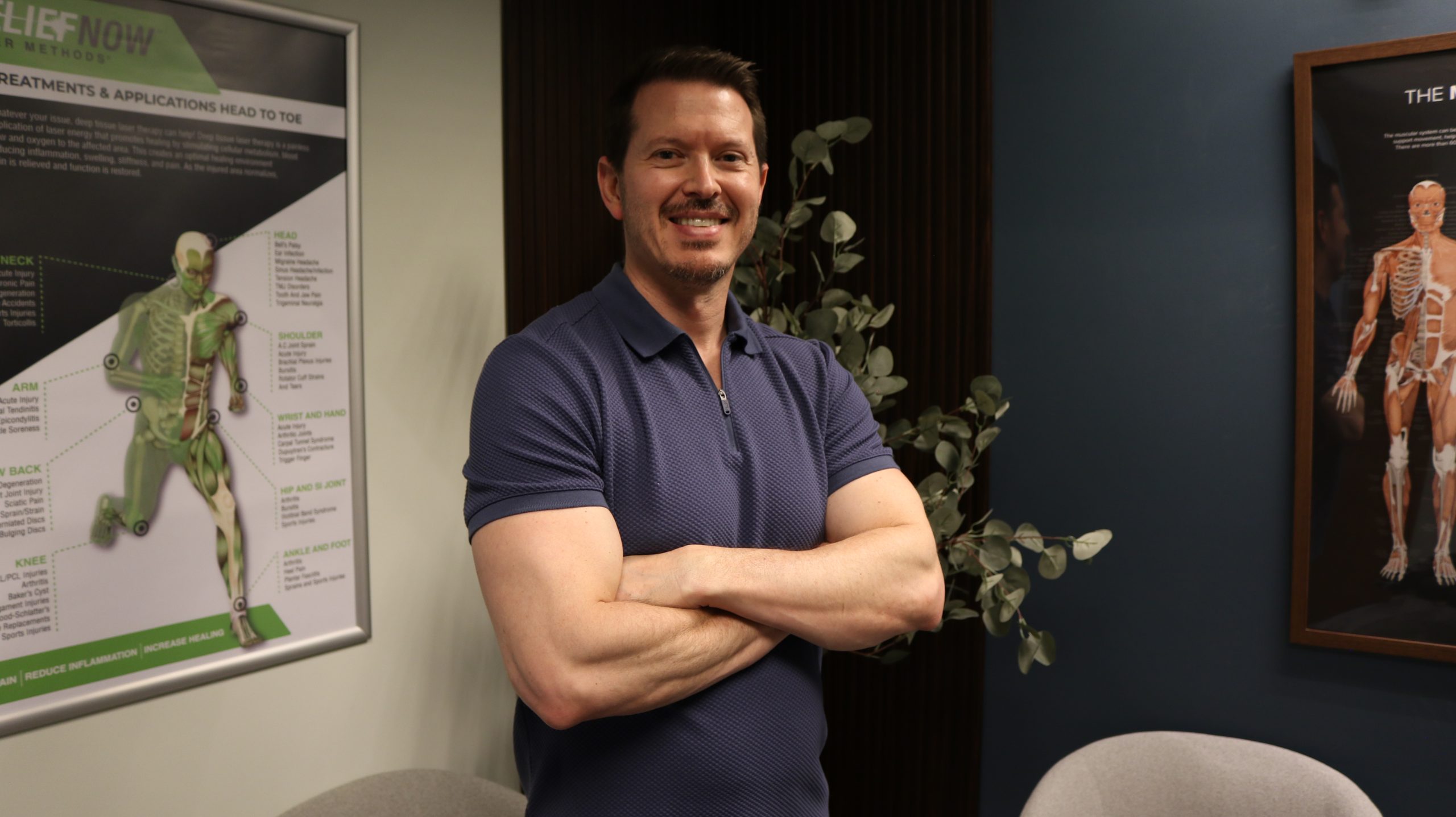
Dr. Cameron Clark, DC — Clinic Owner & Chiropractor
Meet The Doctor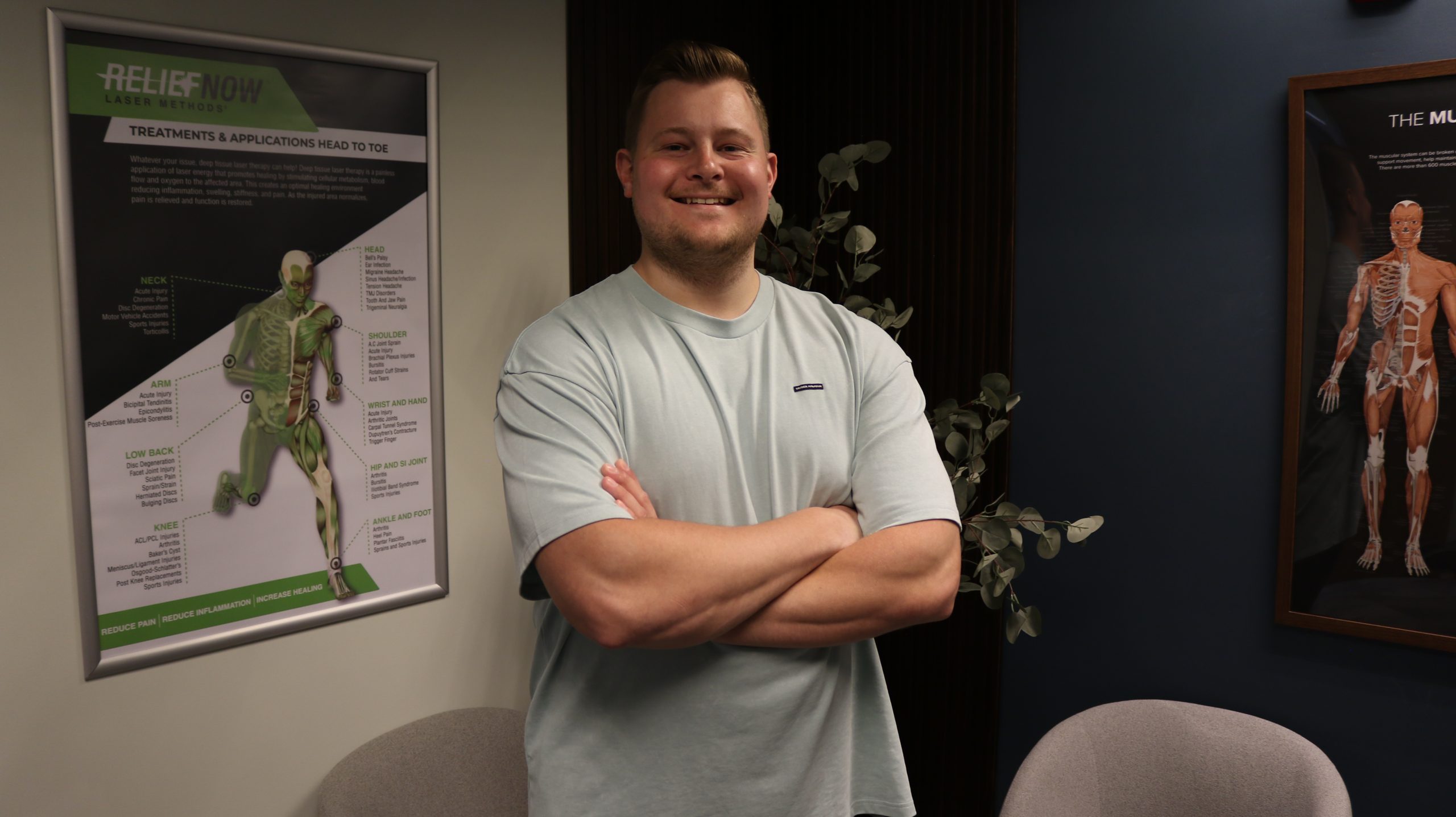
Kyle — Therapy Assistant

Aleks — Therapy Assistant

Callie — Office Manager & Patient Liaison

Pam, Alexia, Deb — Front Desk
Serving Hoffman Estates And Nearby Illinois Communities
Advanced Physical Medicine and Rehab is located in Hoffman Estates, Illinois, and provides sciatica treatment for patients from Hoffman Estates, Barrington, Schaumburg, Palatine, Elgin, and Streamwood.
Frequently Asked Questions About Headache And Migraine Treatment
Book Headache And Migraine Treatment In Hoffman Estates
Recurring headaches that interfere with your workday, your training, or your sleep are worth evaluating properly. At Advanced Physical Medicine and Rehab, we identify whether cervical dysfunction, muscle tension, or other contributing factors are involved and build a care plan around what we find. Contact us to book an appointment and take the first step toward fewer headaches.