

Carpal Tunnel Syndrome Treatment In Hoffman Estates, IL
Tingling, numbness, or weakness in your hand and wrist that wakes you up at night or interferes with gripping is often carpal tunnel syndrome. We evaluate the nerve compression behind it and treat the mechanical factors that are sustaining it.
Content Reviewed By: Dr. Cameron Clark, D.C. on October 14, 2026
Illinois State Chiropractic License Number: 038-011121 (NPI: 1083891477)
Carpal Tunnel Syndrome Treatment At A Glance
Carpal tunnel syndrome is one of the most common nerve compression conditions, affecting office workers, tradespeople, musicians, and athletes who perform repetitive hand and wrist movements. The gradual onset of tingling, numbness, and weakness in the hand is easy to dismiss at first, but left unaddressed it can progress to persistent numbness, significant grip weakness, and nighttime pain that disrupts sleep.
At Advanced Physical Medicine and Rehab in Hoffman Estates, we evaluate carpal tunnel syndrome with a thorough approach that identifies where nerve compression is occurring and what is driving it. Chiropractic care, laser therapy, shockwave therapy, and rehabilitation can work together to reduce nerve irritation, restore normal wrist and hand function, and address the mechanical factors that are sustaining the compression.

What Is Carpal Tunnel Syndrome?
Carpal tunnel syndrome is a condition caused by compression of the median nerve as it passes through the carpal tunnel, a narrow channel formed by the carpal bones and the transverse carpal ligament on the palm side of the wrist.
The median nerve supplies sensation to the thumb, index finger, middle finger, and the thumb-side of the ring finger, and it controls the small muscles at the base of the thumb (thenar muscles) that are responsible for fine pinch and grip. When tissue swelling, tendon irritation, or structural narrowing within the tunnel places pressure on the nerve, these sensory and motor functions are affected.
Carpal tunnel syndrome is classified as acute when it develops rapidly, often associated with an injury or sudden inflammatory response, or as chronic when it develops gradually from cumulative repetitive stress. Most cases fall into the chronic category, where symptoms build slowly and worsen with sustained or repetitive hand activity. Early stages are typically characterized by intermittent symptoms; advanced stages may produce persistent numbness and progressive weakness.

Common Symptoms Of Carpal Tunnel Syndrome
Carpal tunnel syndrome produces a recognizable pattern of symptoms in the hand and wrist, though the severity and consistency of those symptoms typically change as the condition progresses.
Early symptoms include intermittent tingling or numbness in the thumb, index, and middle fingers, often worse at night or immediately upon waking. Many patients describe the sensation of needing to shake the hand out to relieve numbness. Symptoms may also flare during activities that involve sustained wrist flexion or extension, such as holding a phone, driving, or typing.
As the condition advances, numbness may become persistent, grip strength decreases, and fine motor activities like buttoning clothing or handling small objects become more difficult. Pain in the wrist and palm side of the hand is common, and some patients experience aching that travels up the forearm.
The impact on daily life can be substantial. Patients report waking multiple times per night from hand pain or numbness, difficulty with tasks that require fine hand control, and reduced productivity at work that involves keyboard or manual tasks.
What Causes Carpal Tunnel Syndrome?
Carpal tunnel syndrome develops when the space within the carpal tunnel is reduced or the volume of tissue passing through it increases, creating pressure on the median nerve.
Repetitive wrist and hand movements are the most common occupational contributor. Activities that involve sustained wrist flexion or extension, high-frequency grip, or vibrating tool use can create cumulative irritation of the flexor tendons that share the tunnel with the median nerve. As the tendons swell with inflammation or tenosynovitis, the available space for the nerve decreases.
Wrist anatomy plays a role. Patients with smaller carpal tunnel dimensions have less tolerance for swelling or tissue changes before nerve compression develops.
Systemic conditions including hypothyroidism, rheumatoid arthritis, diabetes, and pregnancy increase the risk of carpal tunnel syndrome by affecting fluid balance, inflammation levels, or nerve susceptibility. These underlying conditions should be considered during the diagnostic process.
Cervical spine nerve compression from C6 or C7 levels can mimic or contribute to carpal tunnel symptoms in a pattern sometimes called double crush syndrome, where the nerve is compromised at two points along its path.

Conditions That Can Mimic Carpal Tunnel Syndrome
Several conditions produce hand and wrist symptoms that closely resemble carpal tunnel syndrome and require a different treatment approach.
Cervical radiculopathy from C6 or C7 nerve root compression in the neck can produce tingling, numbness, and weakness in the thumb, index, and middle fingers, following almost the same distribution as median nerve compression at the wrist. This is an important distinction because treating the wrist alone will not resolve symptoms originating from the cervical spine.
Pronator teres syndrome involves median nerve compression in the forearm rather than the wrist, and produces a symptom pattern that is easy to confuse with carpal tunnel syndrome. Thoracic outlet syndrome, de Quervain’s tenosynovitis, and peripheral neuropathy also share symptom features that overlap with carpal tunnel. A thorough clinical examination, including nerve tension testing and cervical screening, is essential for accurate diagnosis.

When To Seek Urgent Care For Carpal Tunnel Syndrome
Most carpal tunnel syndrome presentations are appropriate for conservative care. Seek prompt medical evaluation if you develop sudden severe hand weakness, significant loss of fine motor control, or complete numbness that does not resolve with position change, as these may indicate significant nerve compromise. Carpal tunnel symptoms that develop suddenly following a wrist fracture or trauma require immediate medical evaluation to rule out acute structural injury.
What Our Patients Are Saying




How We Diagnose Carpal Tunnel Syndrome
Diagnosing carpal tunnel syndrome at Advanced Physical Medicine and Rehab begins with a detailed history of symptom onset, pattern, and what activities or positions aggravate or ease the symptoms.
Physical examination includes orthopedic tests such as Phalen’s test and Tinel’s sign over the carpal tunnel to reproduce and confirm median nerve irritation. Grip and pinch strength are assessed to evaluate the degree of motor involvement. Sensation testing along the median nerve distribution identifies which fingers are affected and to what degree.
Cervical spine and thoracic outlet screening are performed to rule out a proximal nerve compression source contributing to the symptoms. When imaging or nerve conduction studies are indicated to confirm the diagnosis or assess severity, we will guide appropriate referrals for those tests.
How Advanced Physical Medicine And Rehab Treats Carpal Tunnel Syndrome
Carpal tunnel syndrome treatment at Advanced Physical Medicine and Rehab targets the source of median nerve compression and addresses the contributing mechanical and postural factors that perpetuate it. Early and mid-stage presentations often respond well to conservative care, and our goal is to reduce nerve irritation, restore hand and wrist function, and correct the underlying contributors before more invasive options become necessary.

Shockwave Therapy
SoftWave and Piezo Wave shockwave therapy stimulate true tissue healing at the cellular level.
Learn More
Laser Therapy
Our Class 4 Summus Medical Laser accelerates healing, reduces inflammation, and relieves pain.
Learn More
Chiropractic Care
We perform thorough adjustments, review imaging, and deliver care plans built around measurable, lasting correction.
Learn More
Physical Therapy & Rehabilitation
We use Functional Movement Screening and Trigenics to identify and address movement dysfunction at the source..
Learn MoreWhy Early Treatment Matters For Carpal Tunnel Syndrome
Median nerve compression that persists without treatment tends to cause progressive nerve damage. Early carpal tunnel syndrome involves reversible irritation that responds well to conservative care. As the condition advances and compression becomes sustained rather than intermittent, the nerve can begin to lose its ability to conduct signals normally, leading to persistent numbness and muscle wasting at the thumb that may not fully recover even after the compression is relieved.
Early intervention aims to reduce nerve compression before that progression occurs, restore normal wrist and hand mechanics, and address the contributing factors that would cause the condition to return.
The Specialists Behind Your Personalized Care
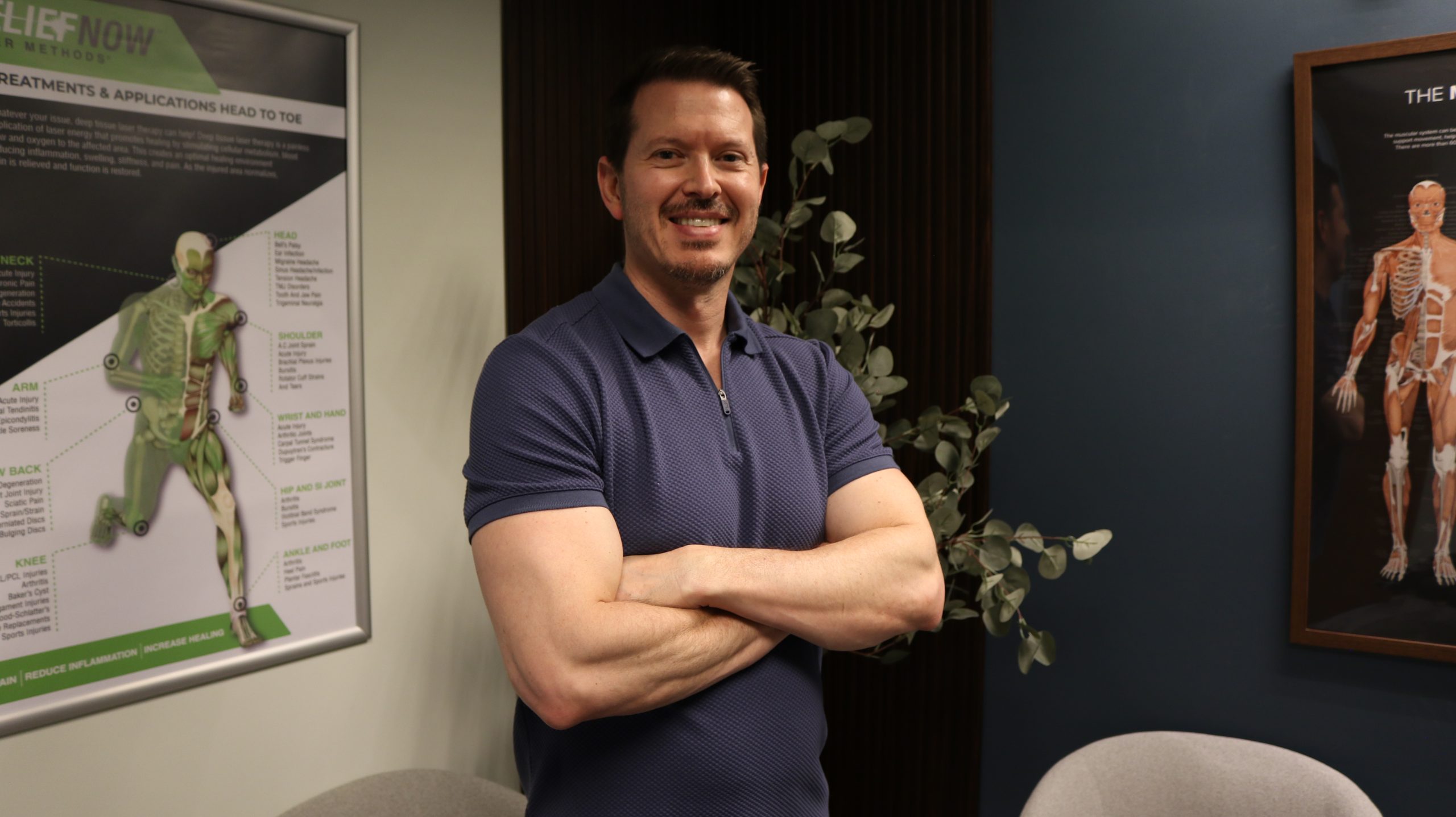
Dr. Cameron Clark, DC — Clinic Owner & Chiropractor
Meet The Doctor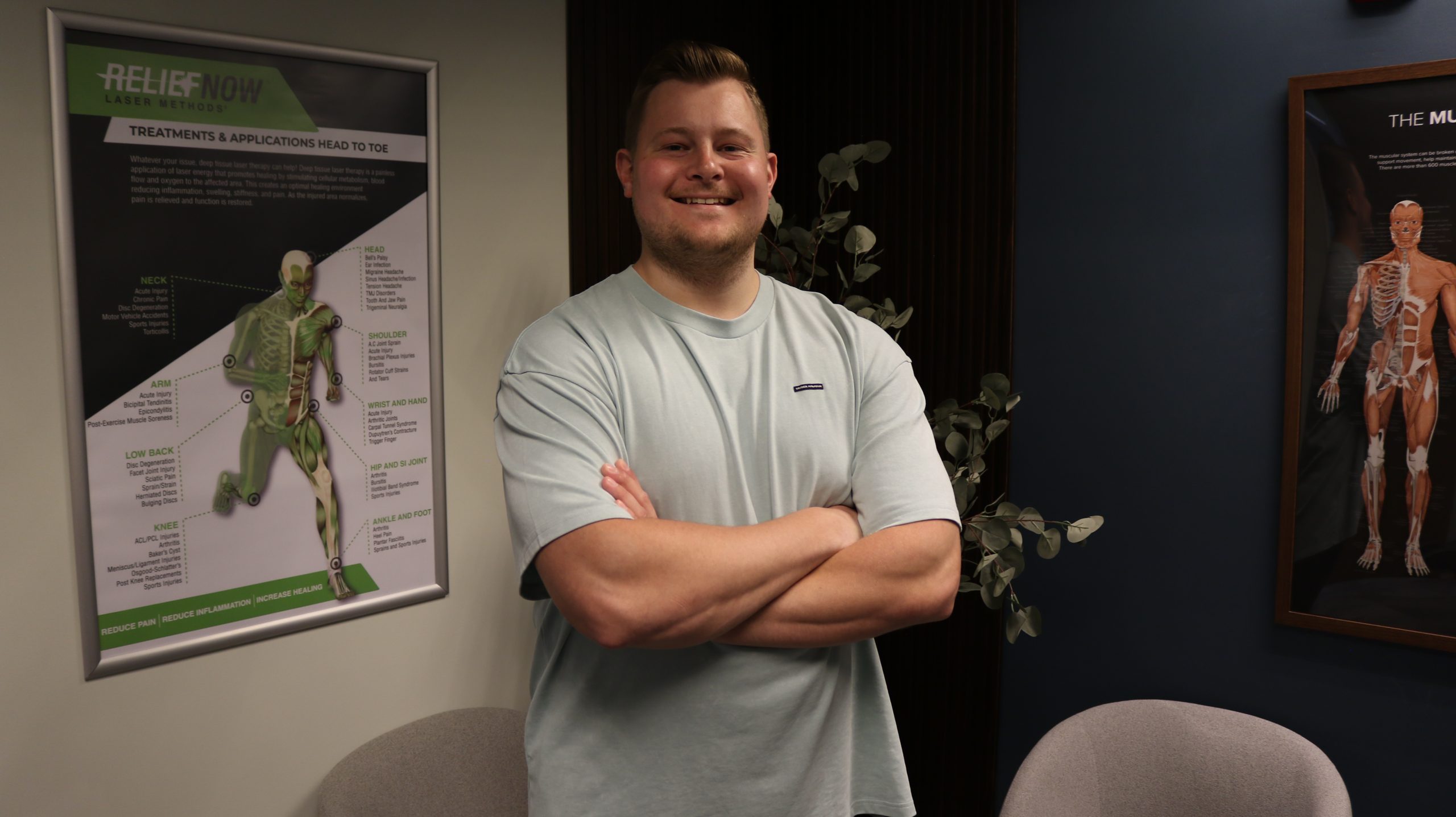
Kyle — Therapy Assistant

Aleks — Therapy Assistant

Callie — Office Manager & Patient Liaison

Pam, Alexia, Deb — Front Desk
Serving Hoffman Estates And Nearby Illinois Communities
Advanced Physical Medicine and Rehab is located in Hoffman Estates, Illinois, and provides sciatica treatment for patients from Hoffman Estates, Barrington, Schaumburg, Palatine, Elgin, and Streamwood.
Frequently Asked Questions About Carpal Tunnel Syndrome
Book Carpal Tunnel Syndrome Treatment In Hoffman Estates
Hand numbness, wrist pain, and grip weakness that affect your work and your sleep can often be addressed without surgery when treatment begins early. Contact Advanced Physical Medicine and Rehab to book an appointment or call to discuss your symptoms.